Arthur William Moore emigrated with his parents William and Ann Moore and his siblings Anna and Edwin to South Australia from Plymouth in 1854. Both sides of the family were agricultural labourers. William and Ann moved for work; their son Edwin was born at West Woodhay in 1848 and baptised at Wilcot. William Moore was the son of John Moore and Anna Neate, who were both born in Wilcot and had deep roots there; Arthur William’s great great grandmother Elizabeth Hailstone was buried at Wilcot in 1794. Ann Moore was baptised in Manningford Abbots, the daughter of William Moore and Susannah Wiltshire, who married there in 1825. Ann’s sisters, Elizabeth and Fanny Moore, also emigrated to South Australia.
William Neate’s Tithe Apportionments, Wilcot, Wiltshire21 September 2026
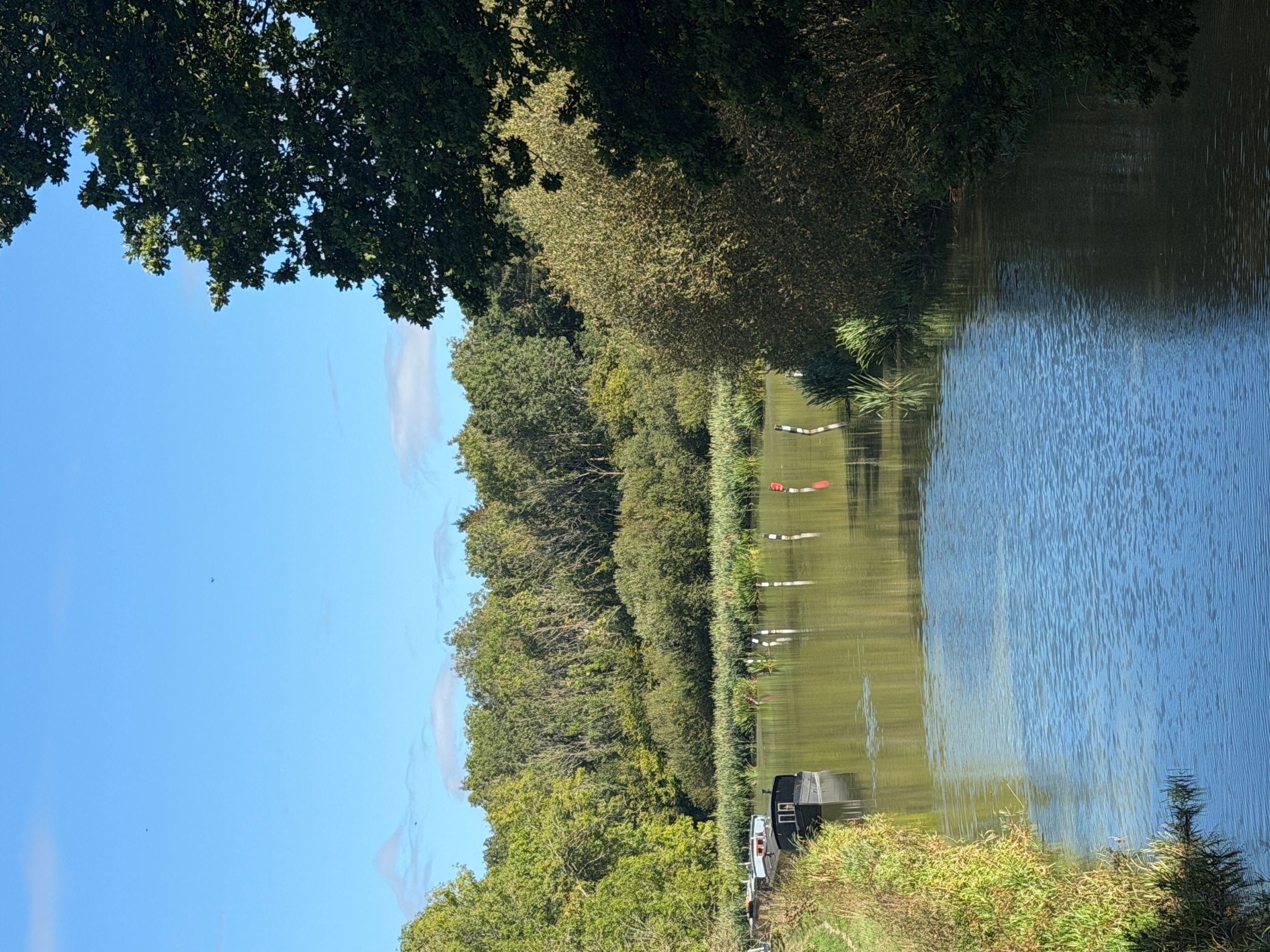
Anna Neate’s father, William (1771), or her brother William (1803), or both, occupied three small tithe apportionments in 1839. Plot 384 garden (5 perches) is on the laneway near Lady’s Bridge. It now has buildings on it. Plot 392a cottage and gardens (16 perches) is on the corner on the lane south of the church leading to Lady’s Bridge. Plot 383b cottage and gardens (14 perches) is located on the same laneway near Lady’s Bridge and appears wild and overgrown now. The photo shows the view from Lady’s Bridge looking east. Where the Kennet & Avon Canal widens is where William Neate had land.
Click to enlarge
John Moore’s Cottage, Wilcot, Wiltshire20 September 2026
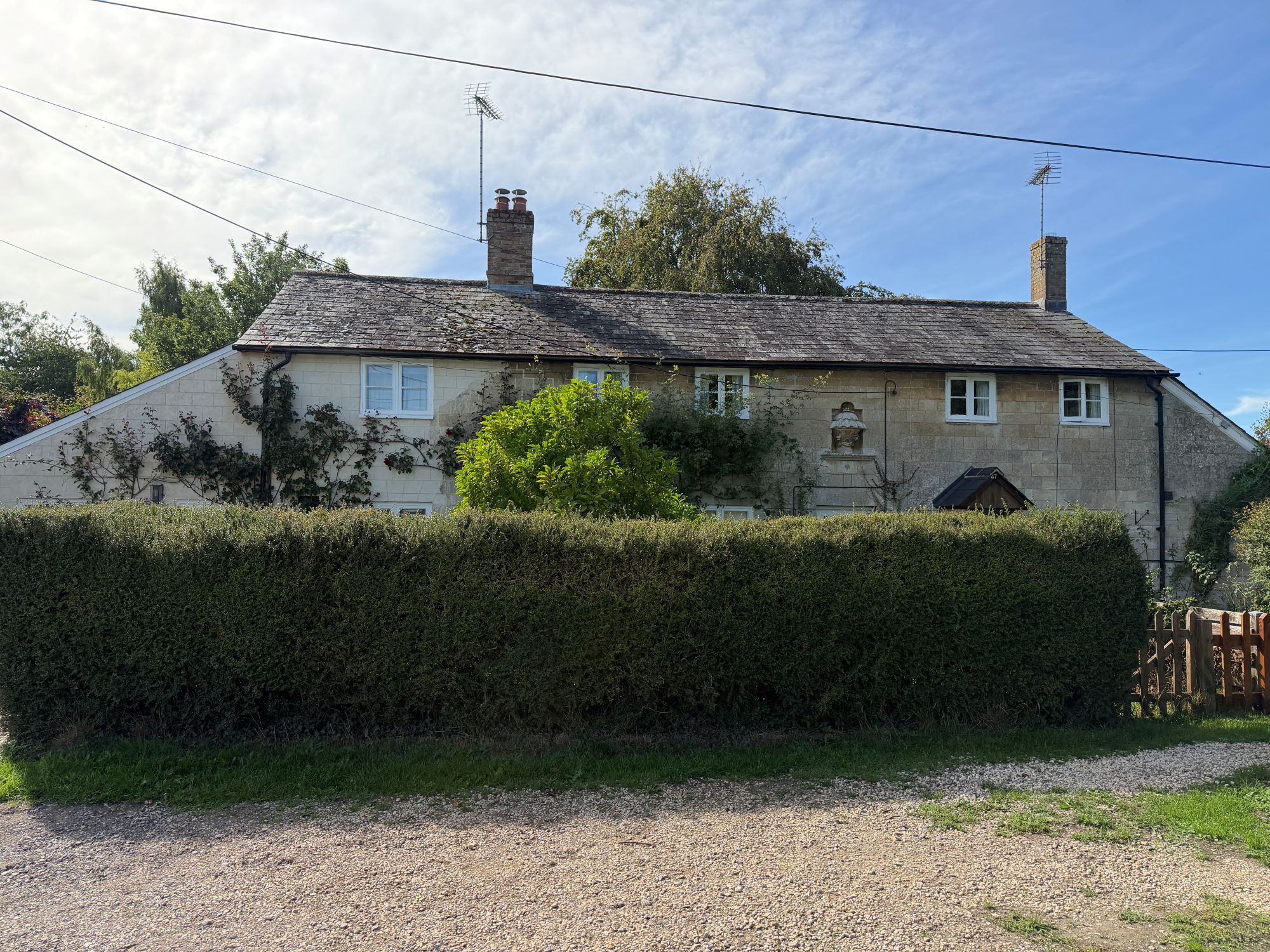
John Moore (1783) occupied tithe plot 337, two cottages and gardens (33 perches), on the west side of Wilcot Green with William Pearce in 1838. The cottage is one of seven pairs of cottages built between 1803 and 1839. The 1841 census order suggests the cottage on the right is the one the family occupied. The cottage sits opposite The Green and south of the canal bridge.
Click to enlarge
Site of the cottages near Malthouse Farm, Manningford Abbots, Wiltshire20 September 2026
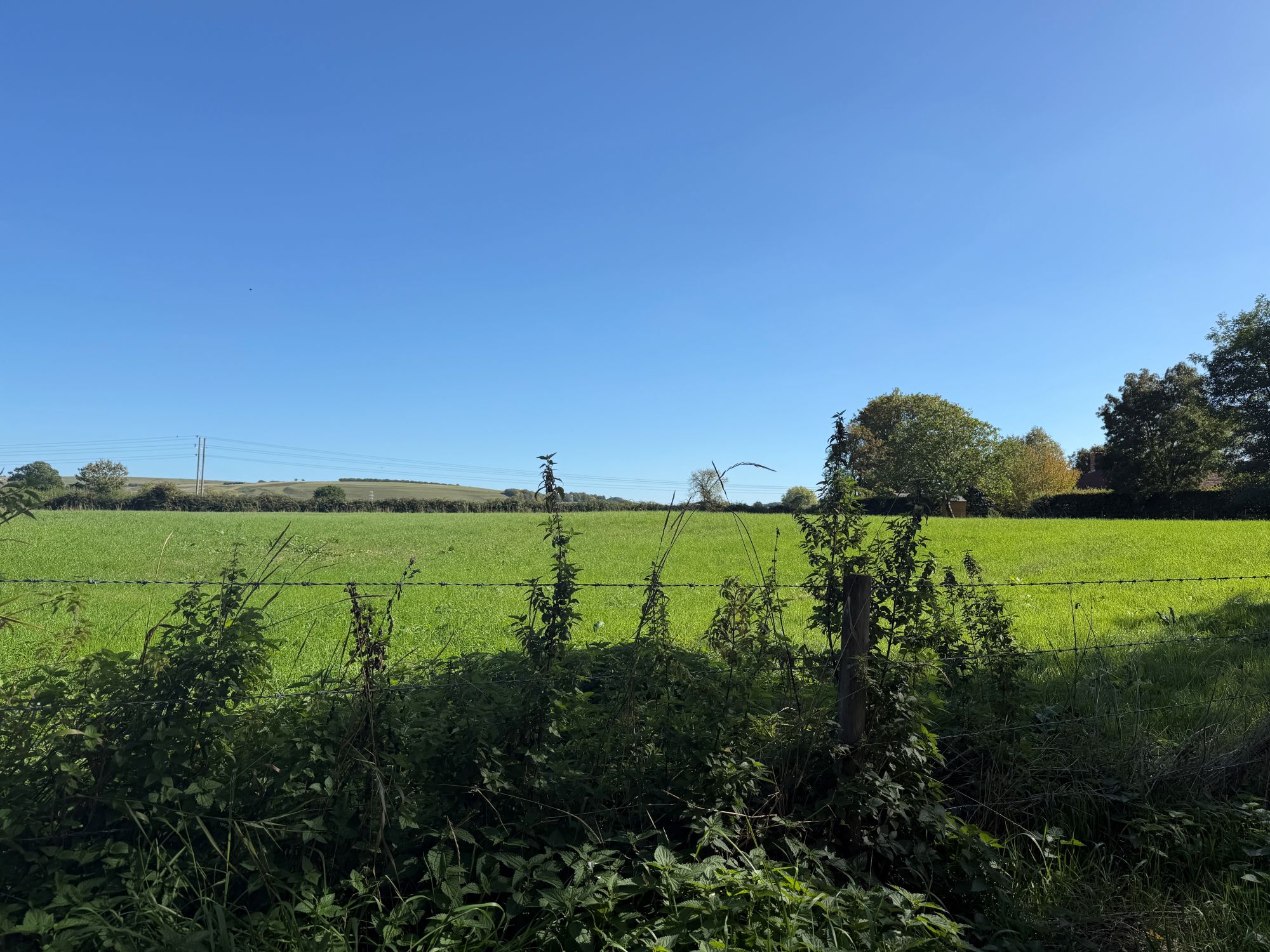
There was a cluster of cottages on the road just north of Malthouse Farm. In 1843 William Moore (1793) was registered as occupying plot 63 (36 perches) with James Burgess. The 1851 census suggests that ten cottages were in this cluster. Two of them were occupied by William Moore and James Burgess in both the 1841 and the 1851 censuses. The cottages have been removed and the land looks lush and productive.
Click to enlarge
Malthouse Farm, Manningford Abbots, Wiltshire20 September 2026
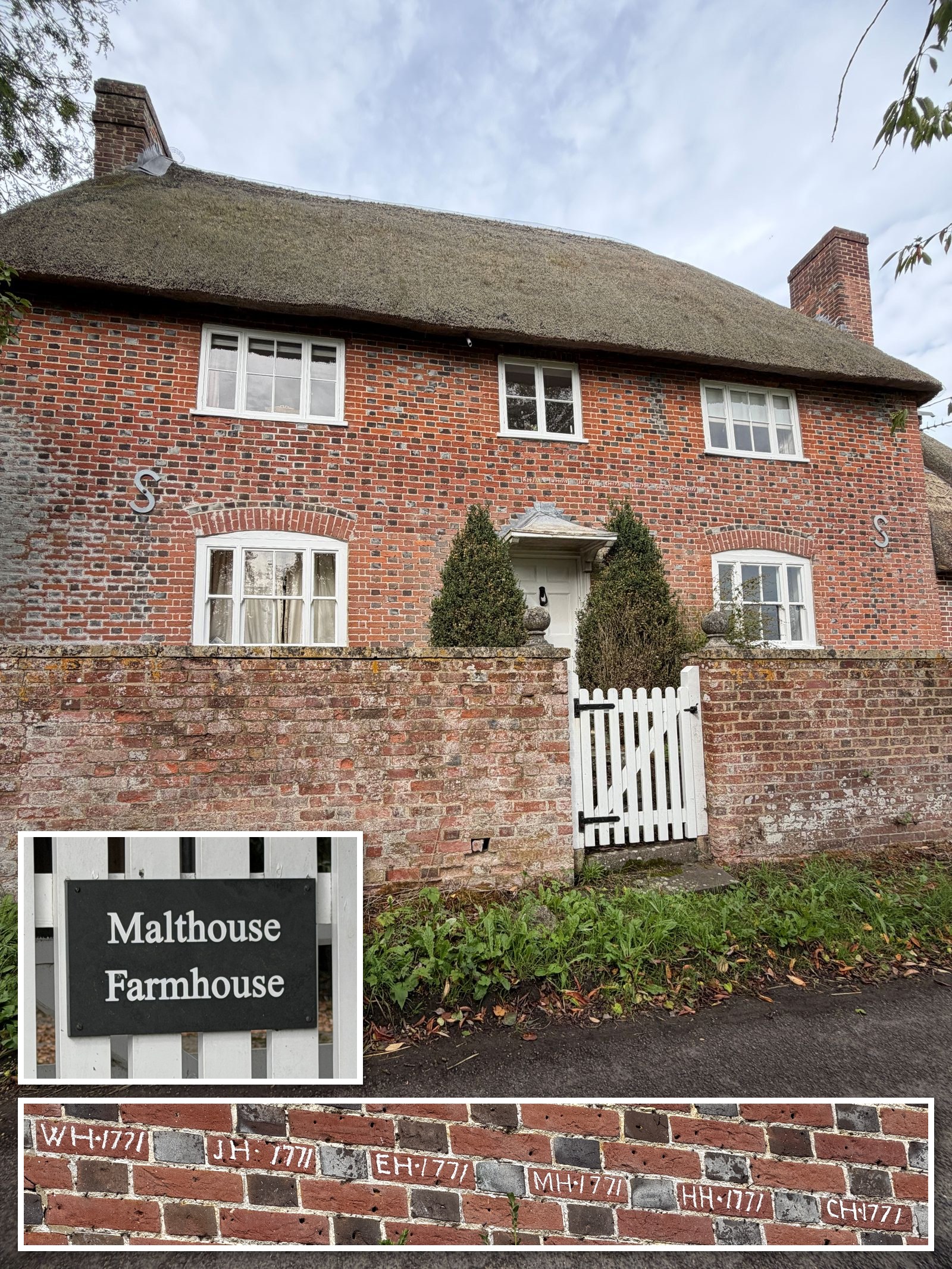
Malthouse Farm still exists. It is about 50 metres south and across the road from where William (1793) and Susannah lived so it was a likely employer of William. The house was built in 1771 and has the initials of the Hitchcock family members and the year still visible above the entrance.
Click to enlarge
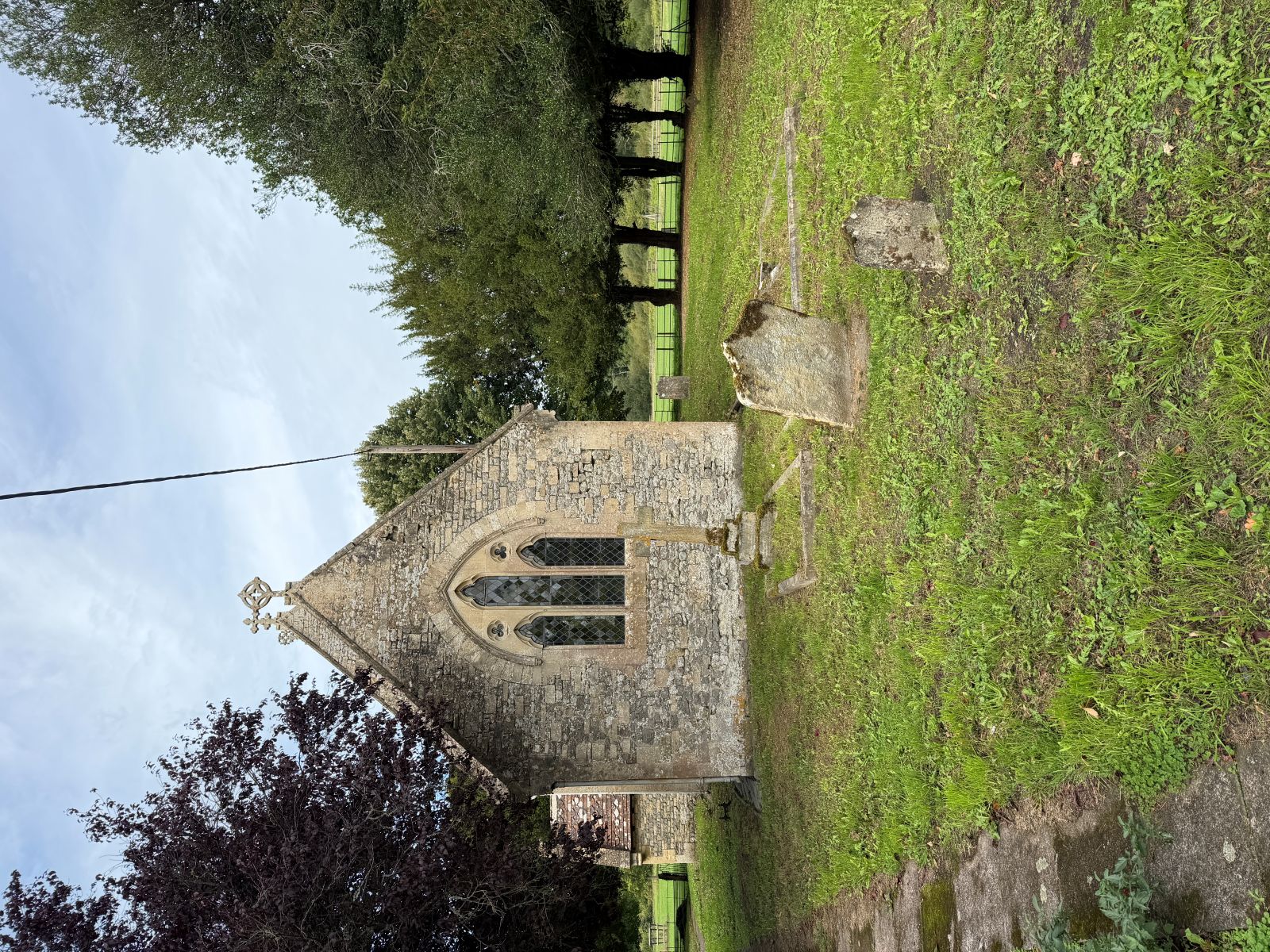
Manningford Abbots Church, Manningford Abbots, Wiltshire20 September 2026
William Moore (1793) married Susannah Wiltshire here (1825) and was buried here (1875). Arthur William Moore’s elder sister, Anna Moore, was baptised here (1846).
The Manningford Abbots church that Ann Moore’s family were baptised and married at was replaced in the 1860s. It was built on the same footprint and place. It is surrounded by fields and has to be walked to from the road. It is now private property.
Click to enlarge
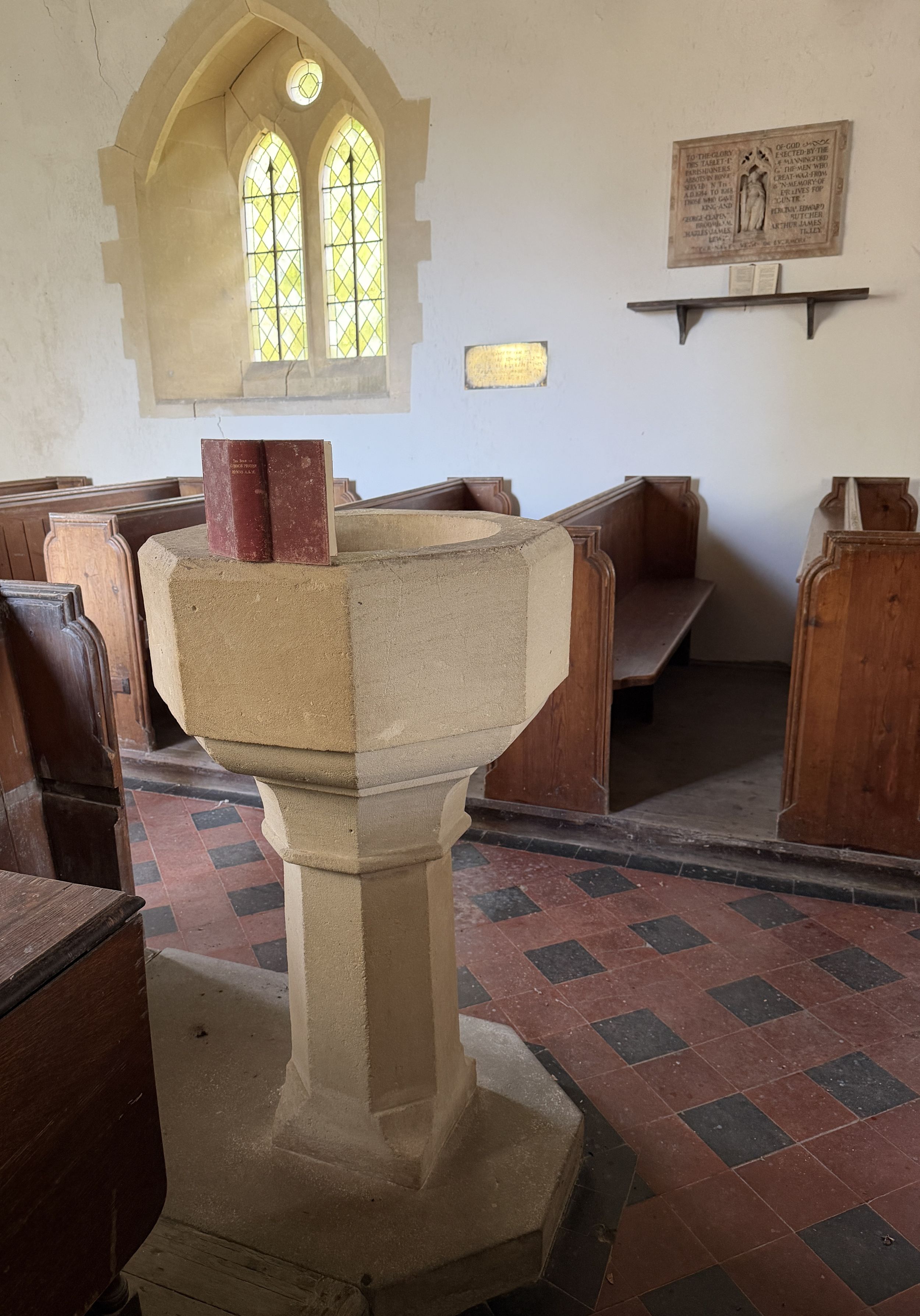
Manningford Abbots Church, Manningford Abbots, Wiltshire20 September 2026
The font at Manningford Abbots church appears to be original and the one that Ann Moore’s family would have been baptised at. It is the same appearance as the font painted in 1810 by John Buckler. The painting is located at the Wiltshire Museum (reference number DZSWS:1982.808.4) who have confirmed the font on the top right hand part of the painting has the text “Font in Manningford Abbots Church” written under it.
Click to enlarge
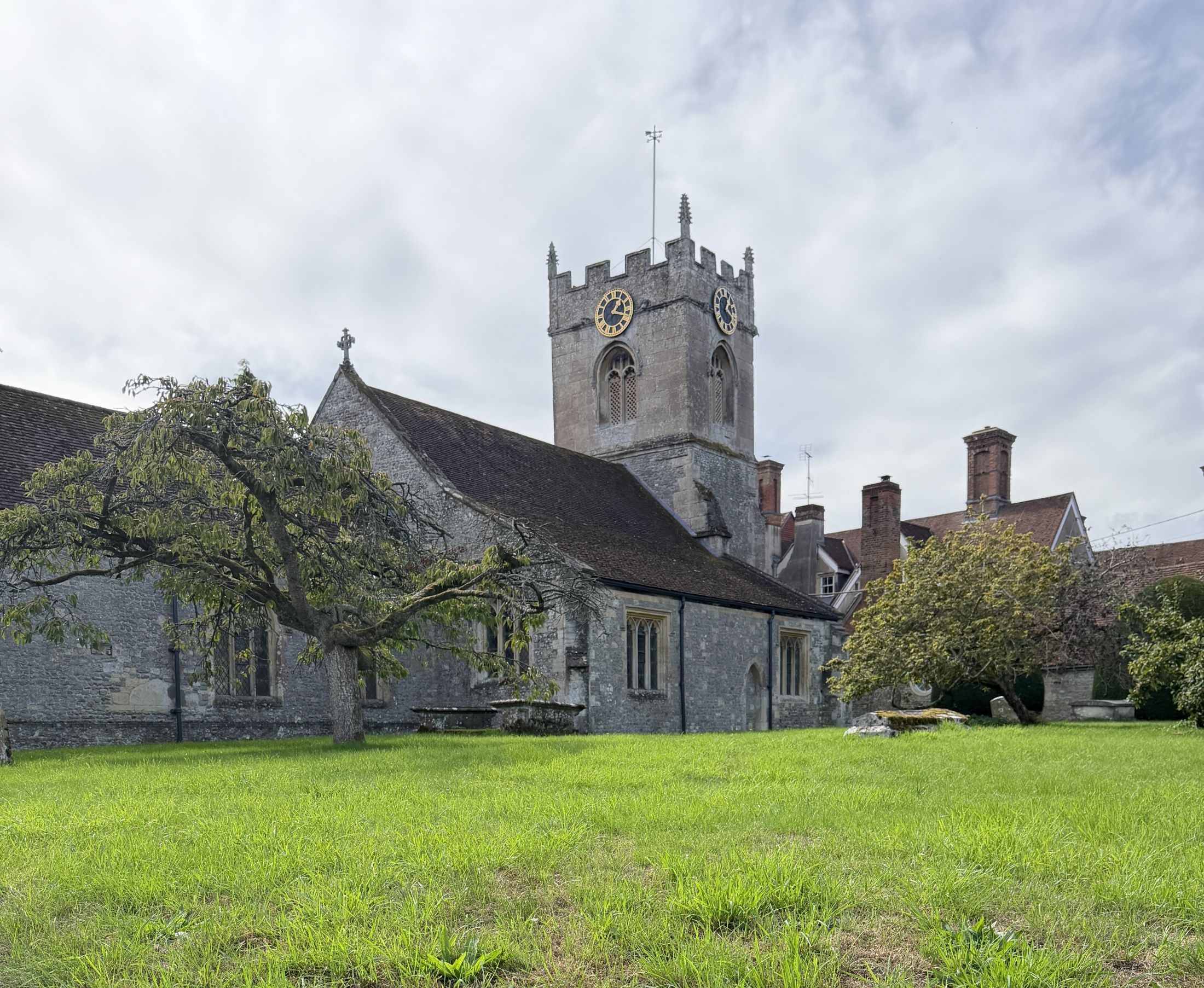
Church of the Holy Cross, Wilcot, Wiltshire20 September 2026
The Church of the Holy Cross at Wilcot is the site of generations of baptisms, marriages and burials including Anna Moore’s (1823) and John Moore’s (1854) burials.
The church was partially destroyed in 1876 by a fire started from the manor house next door. No relevant headstones could be found in the graveyard around the church. The font is 19th century and possibly replaced after the fire, so there is no certainty that Edwin (1848) and Arthur William Moore (1851) were baptised in the current font.
Click to enlarge
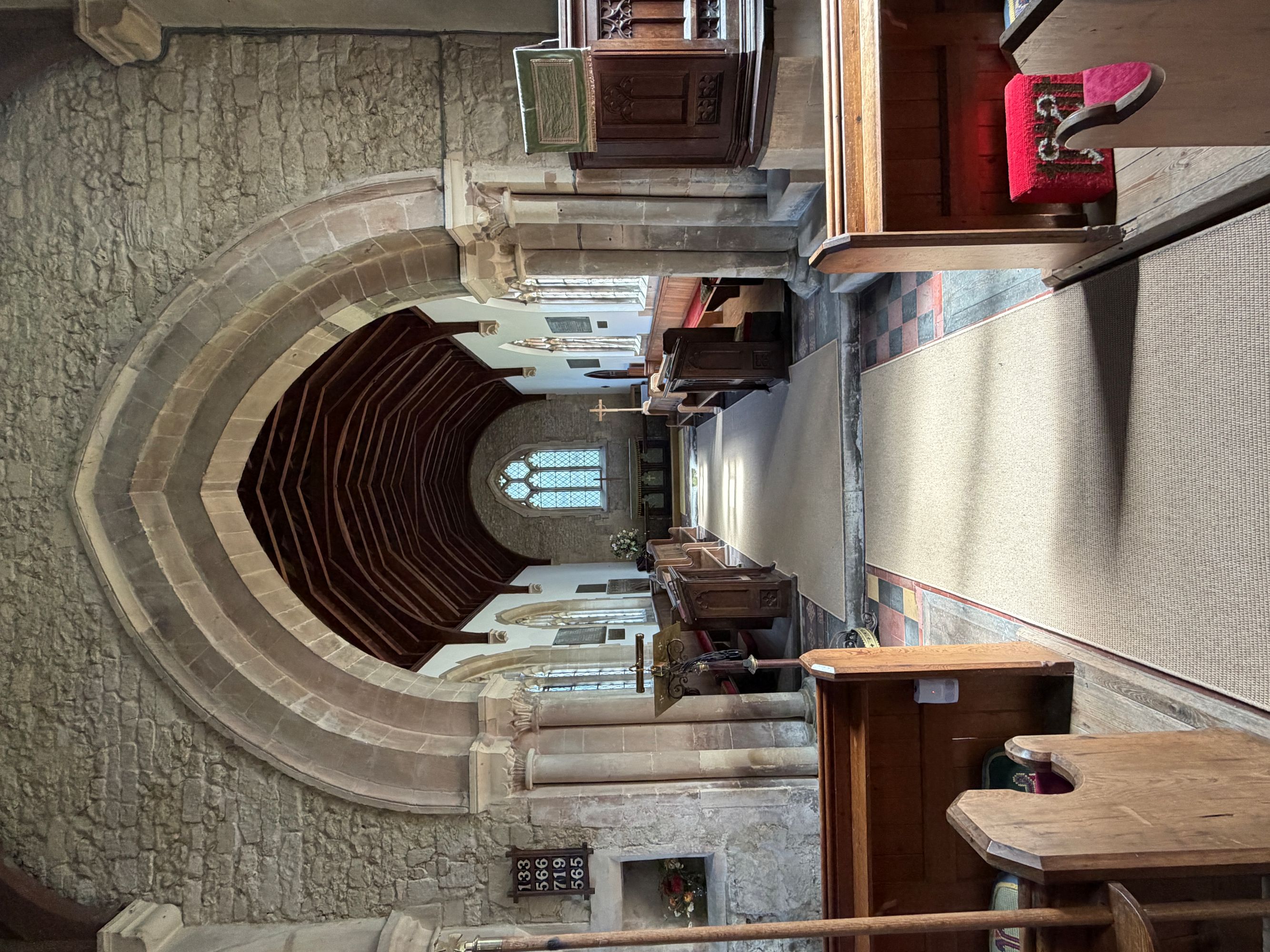
Church of the Holy Cross, Wilcot, Wiltshire20 September 2026
The chancel arch of the Church of the Holy Cross is one part of the church that survived the fire of 1876. It dates back to 1200. Under this arch many ancestors married including John Moore and Anna Neate (1819) and William Moore and Ann Moore (1846) who emigrated to Australia.
Click to enlarge
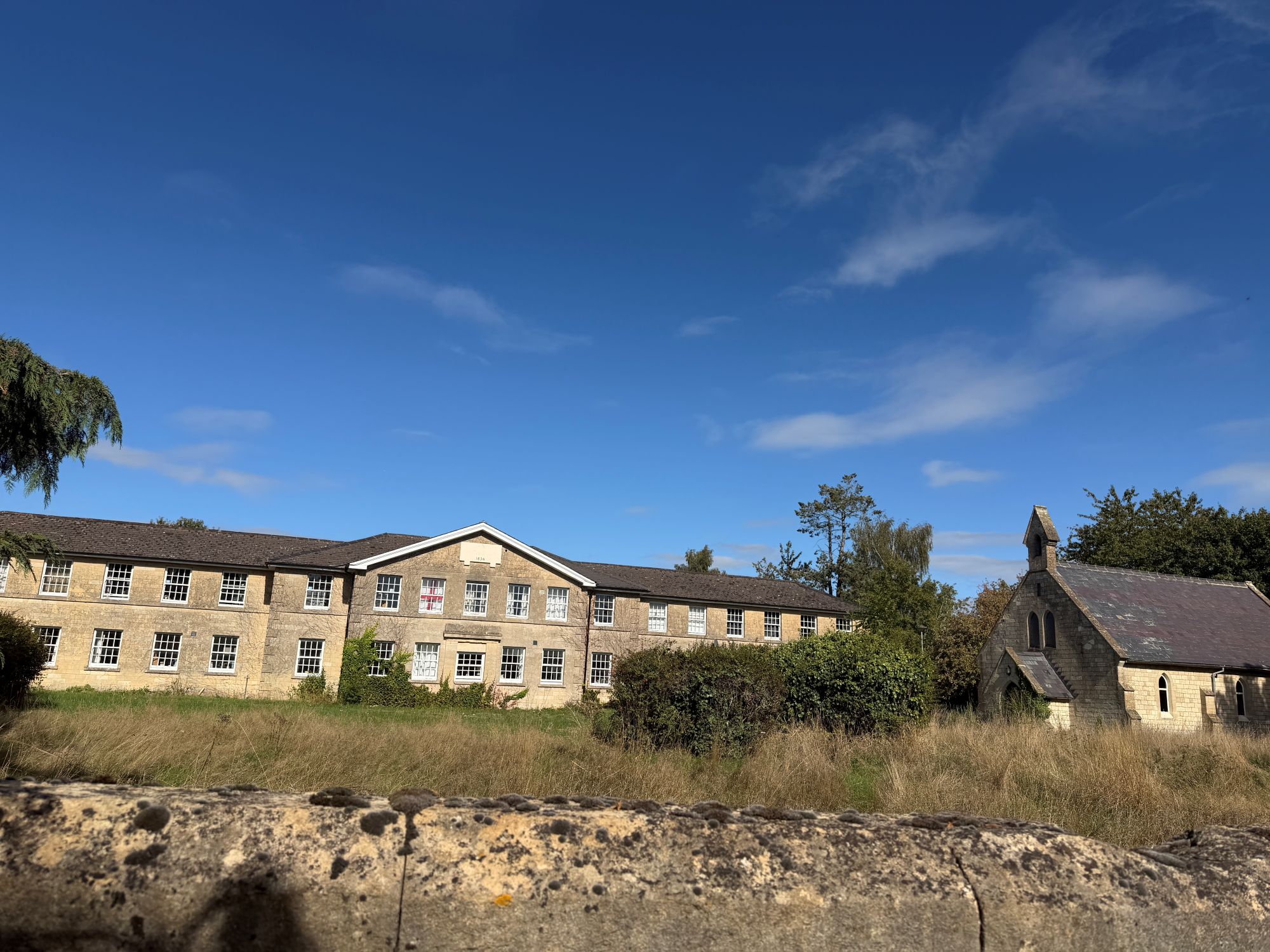
The former Pewsey Union Workhouse, Wilcot Road, Pewsey, Wiltshire21 September 2026
William Moore (1793) died at Pewsey Union Workhouse (1875). His wife Susannah had died at Pewsey twenty-one months earlier (1873). After she died he went into the workhouse, and he did not come out. He was taken to Manningford Abbots to be buried.
What we looked for
Not foundThe Holy Cross Church, Wilcot. Both graveyards (the churchyard, and a newer graveyard down the laneway opposite the church) were explored but no relevant headstones found. This is not surprising as agricultural labourers did not always have headstones. We looked for the following relatives of Arthur William Moore: William Neate his grandmother’s brother (buried 1891), his great grandfather William Neate (buried 1853) and his great, great grandmother, Elizabeth Hailstone (buried 1794).
Relevance not determinedWilcot School was built in 1841. Edwin and Anna may have attended as they were five and seven respectively when the family emigrated in 1854. Arthur William was only two and would not have attended.
Not foundManningford Abbots Church. The graveyard was explored but no relevant headstones found. We looked for the Moore and Wiltshire surname as well as Arthur William Moore’s grandparents, Susannah Wiltshire (buried 1873) and William Moore (buried 1875).
Better view possibleWilliam Neate’s land on the canal near Lady’s Bridge. A better photograph could be taken by walking along the canal path on the north side and photographing the land to include Lady’s Bridge in the background.
 Click to enlarge
 Click to enlarge
 Click to enlarge
 Click to enlarge
 Click to enlarge
 Click to enlarge
 Click to enlarge
 Click to enlarge
 Click to enlarge