The Ancestral Home of James Wilson Berry and Isabella Jane Stott
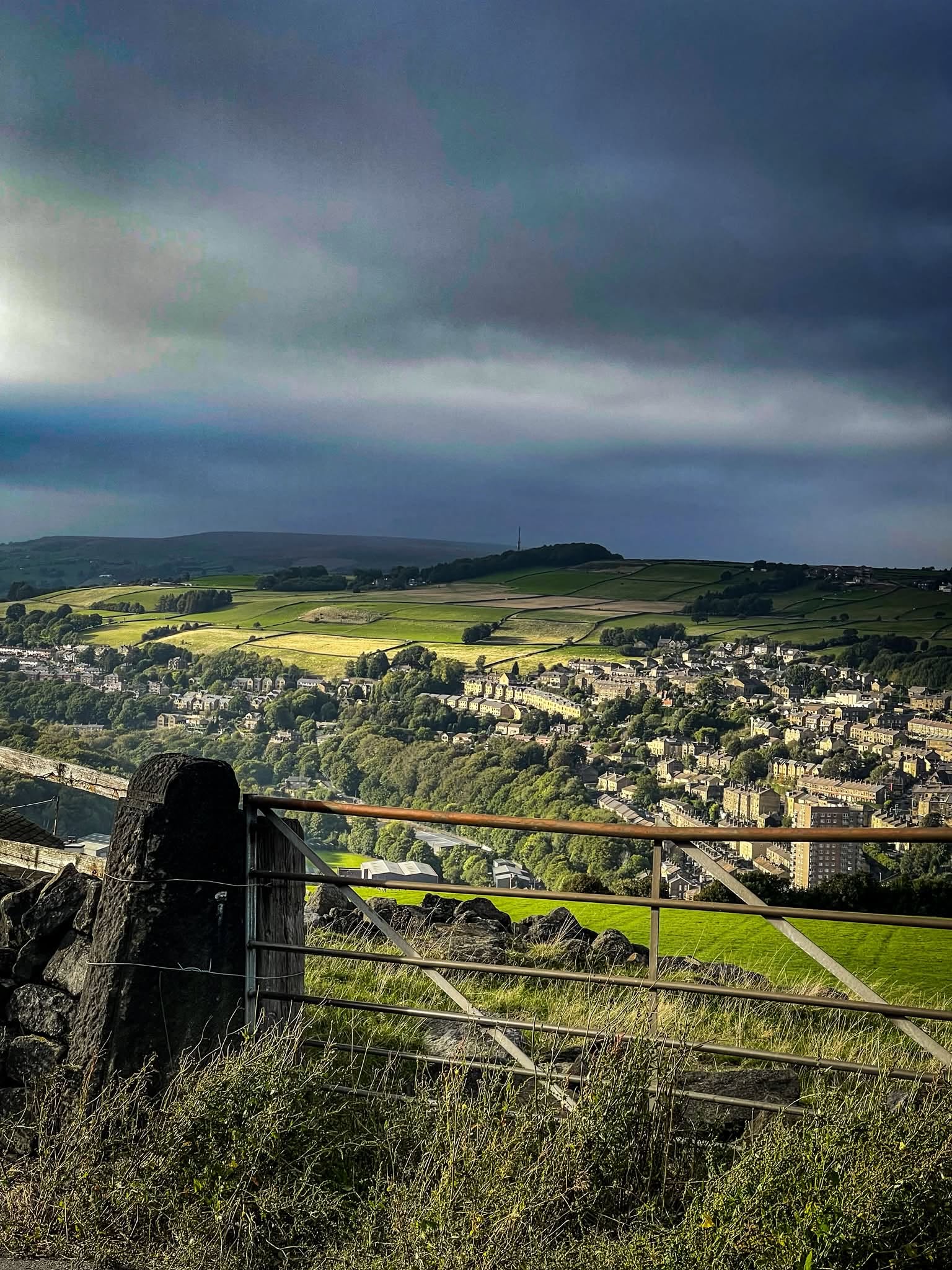
Sowerby Bridge, West Yorkshire, is the home of several generations of Berrys, Stotts, Wilsons and Pohlmans, including James Wilson Berry and his wife Isabella Jane Stott. James’s grandfather Francis Berry (1788) founded the iron foundry Francis Berry & Sons, which grew into an international business. Isabella was the daughter of William Stott, a druggist trained by the Parish, and the granddaughter of David Pohlman, a yeoman who invested well and left his granddaughters a legacy. James and Isabella emigrated to Australia in 1871 on the SS Great Britain with their first two children.
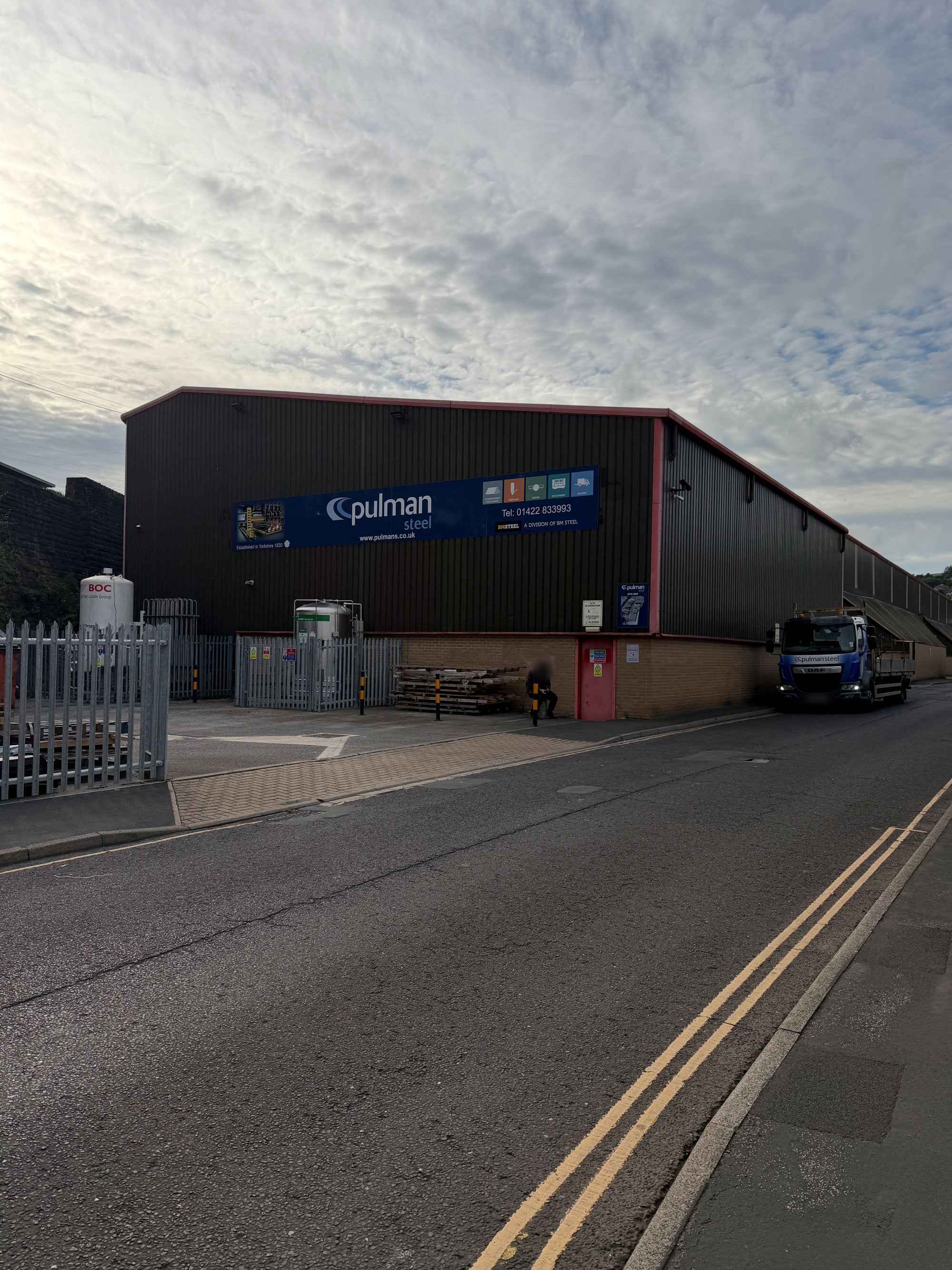
Walton Street, Sowerby Bridge, West Yorkshire8 September 2026
Francis Berry established the iron foundry Francis Berry & Sons. The final location for the factory was at Walton Street, Sowerby Bridge close to the bridge that crosses the Calder River. The factory was demolished and appears to now be used by Pulman, an iron works established in 1830 in Halifax, West Yorkshire, who moved to this location in 1984.
Click to enlarge
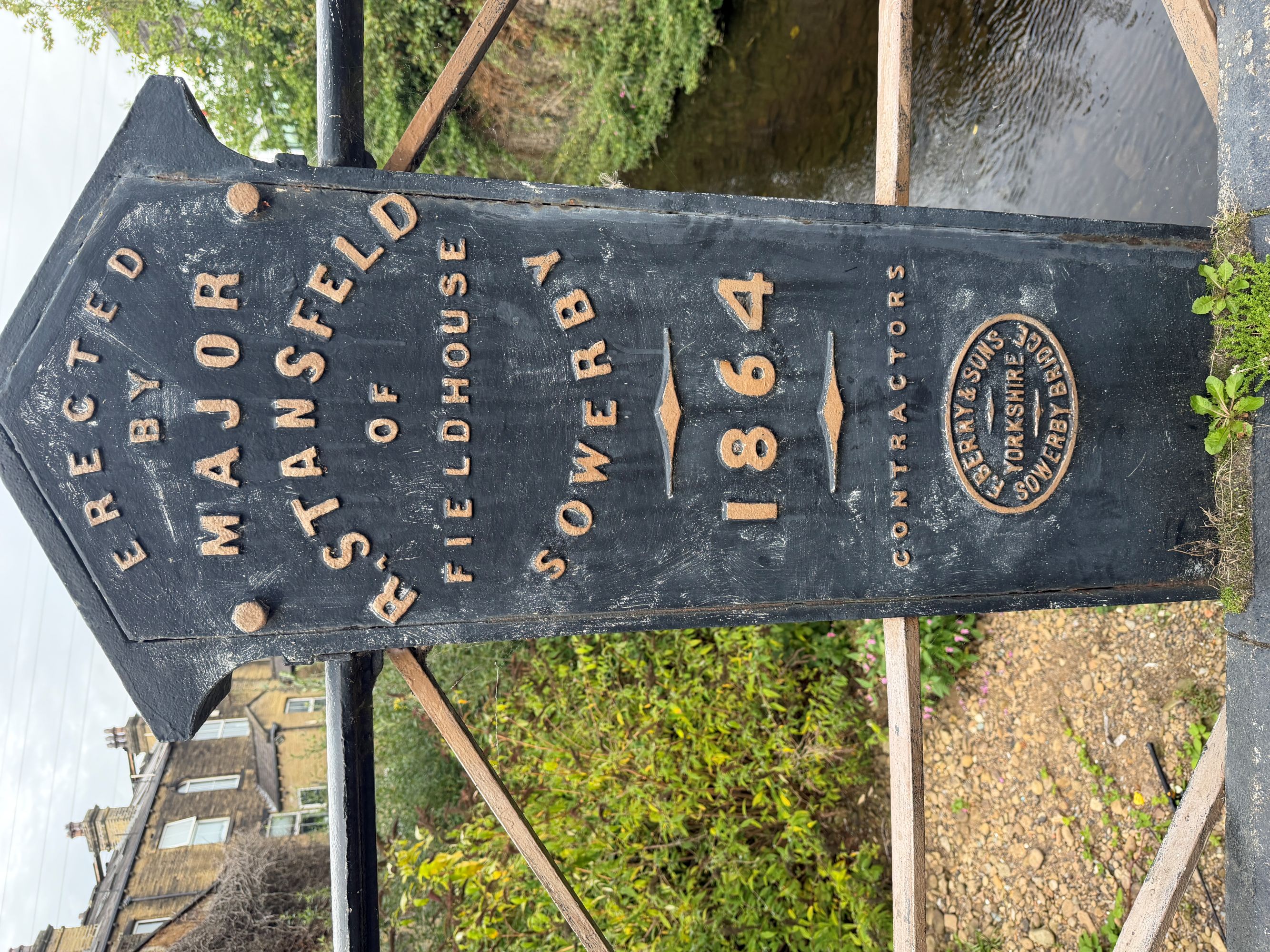
Victoria Bridge, Sowerby Bridge, West Yorkshire8 September 2026
Very little of the work that Francis Berry & Sons made still exists in Sowerby Bridge. Most of the ironwork was reused for the war effort in WWII. Victoria Bridge, Sowerby Bridge, was the only iron work that has been found so far.
Click to enlarge
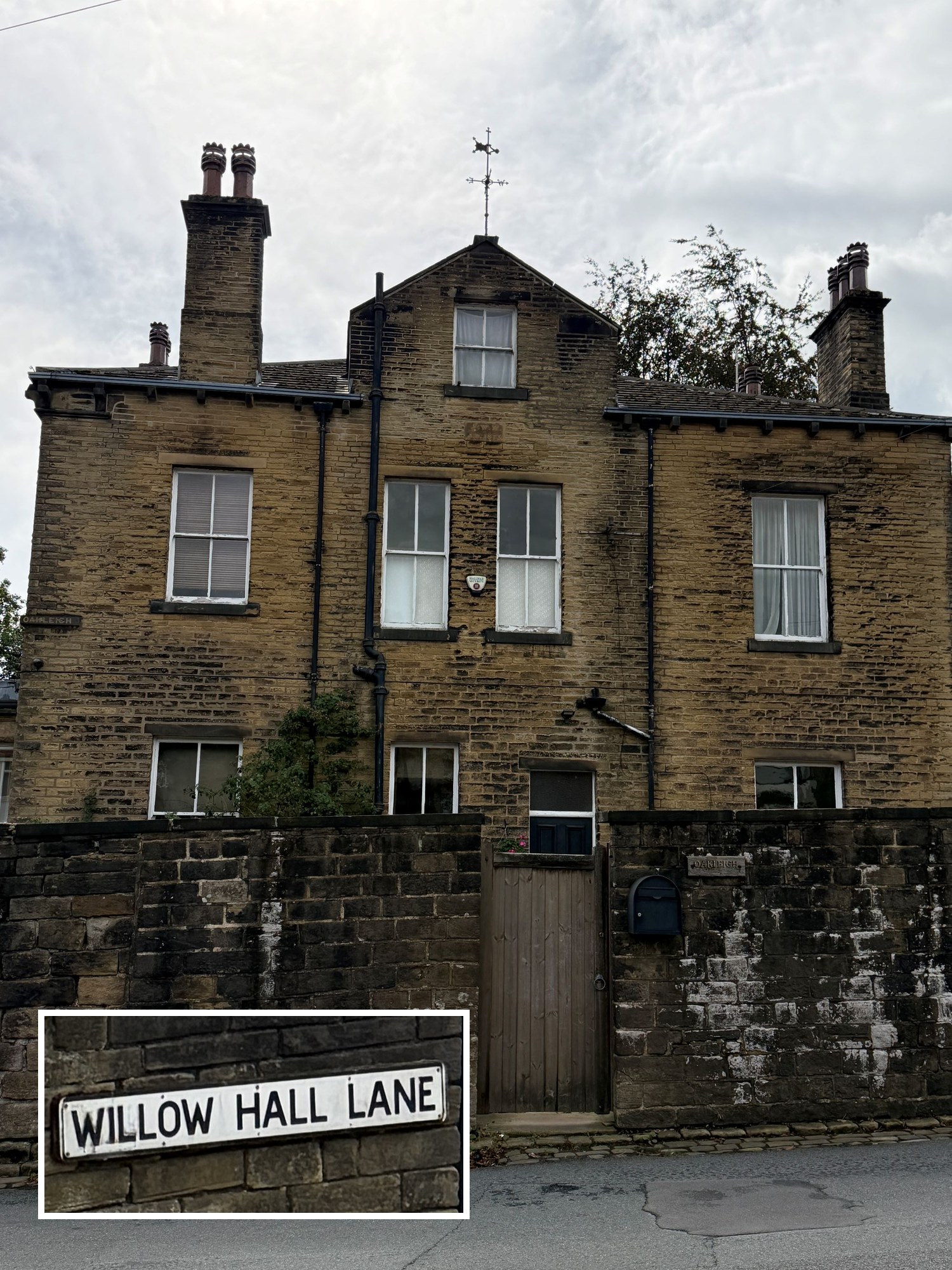
Willow Hall Lane, Sowerby Bridge, West Yorkshire9 September 2026
In 1851 Francis Berry Jnr and his family were living at Norland Hall, Norland. Norland Hall was struck by lightning in 1911 and dismantled in 1914. In 1861 the family were living at Prospect Place in Warley. By 1871 the family were living on Walton Street next to the iron works. In 1879 Francis Berry Jnr is listed as having a copyhold house with a street address Oakleigh, Sowerby Bridge. Although not certain, Oakleigh is believed to be the house shown which was built in 1873 on Willow Hall Lane.
Click to enlarge
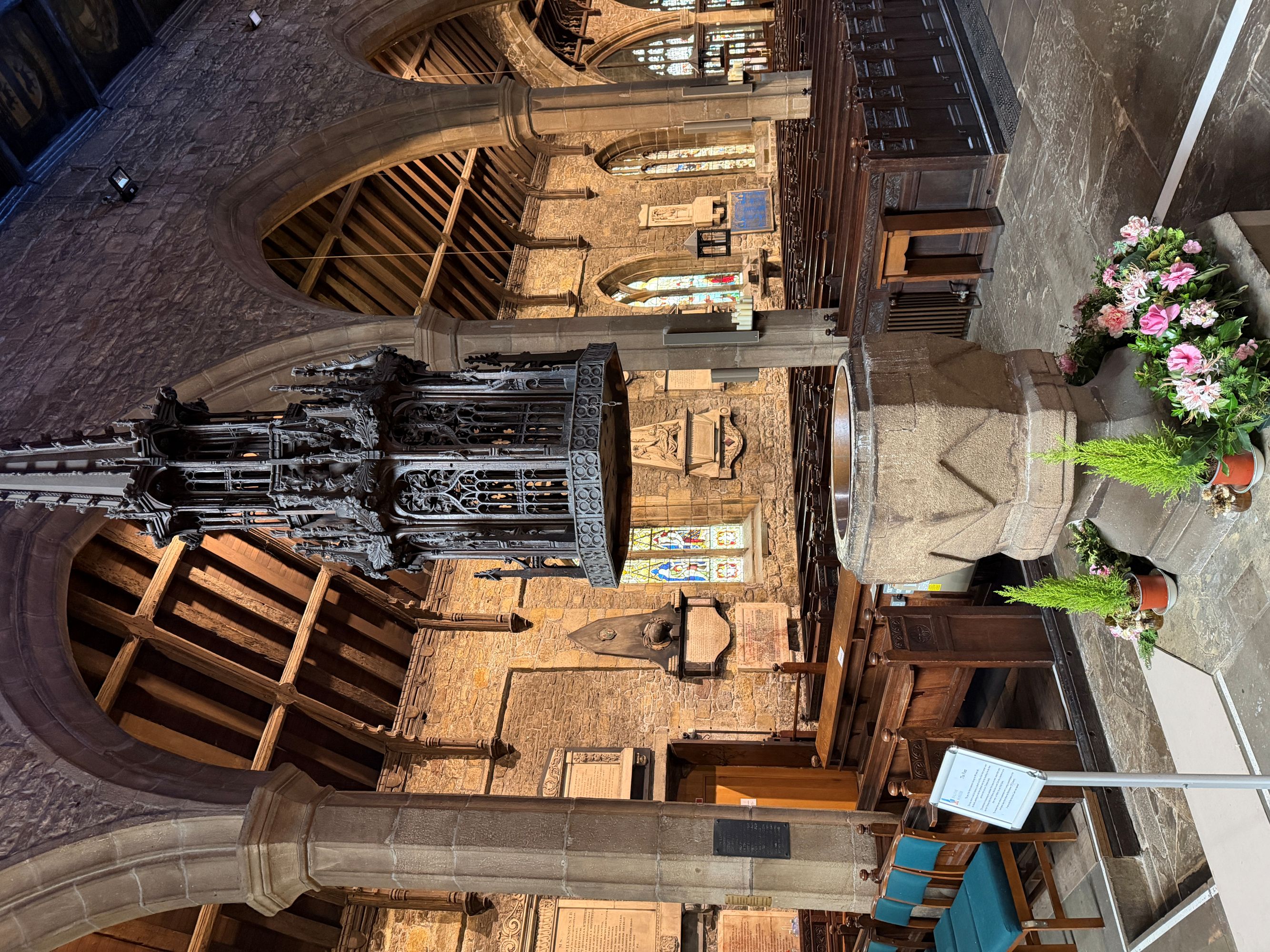
St John the Baptist (Halifax Minster), Halifax, West Yorkshire9 September 2026
The base of the font at St John the Baptist at Halifax dates from the 11th century and the top from the 15th century. William Stott was baptised here in 1817 with only his mother Mary Stott named. Mary Stott married William Broadbent at this church 14 years after William was baptised.
Click to enlarge
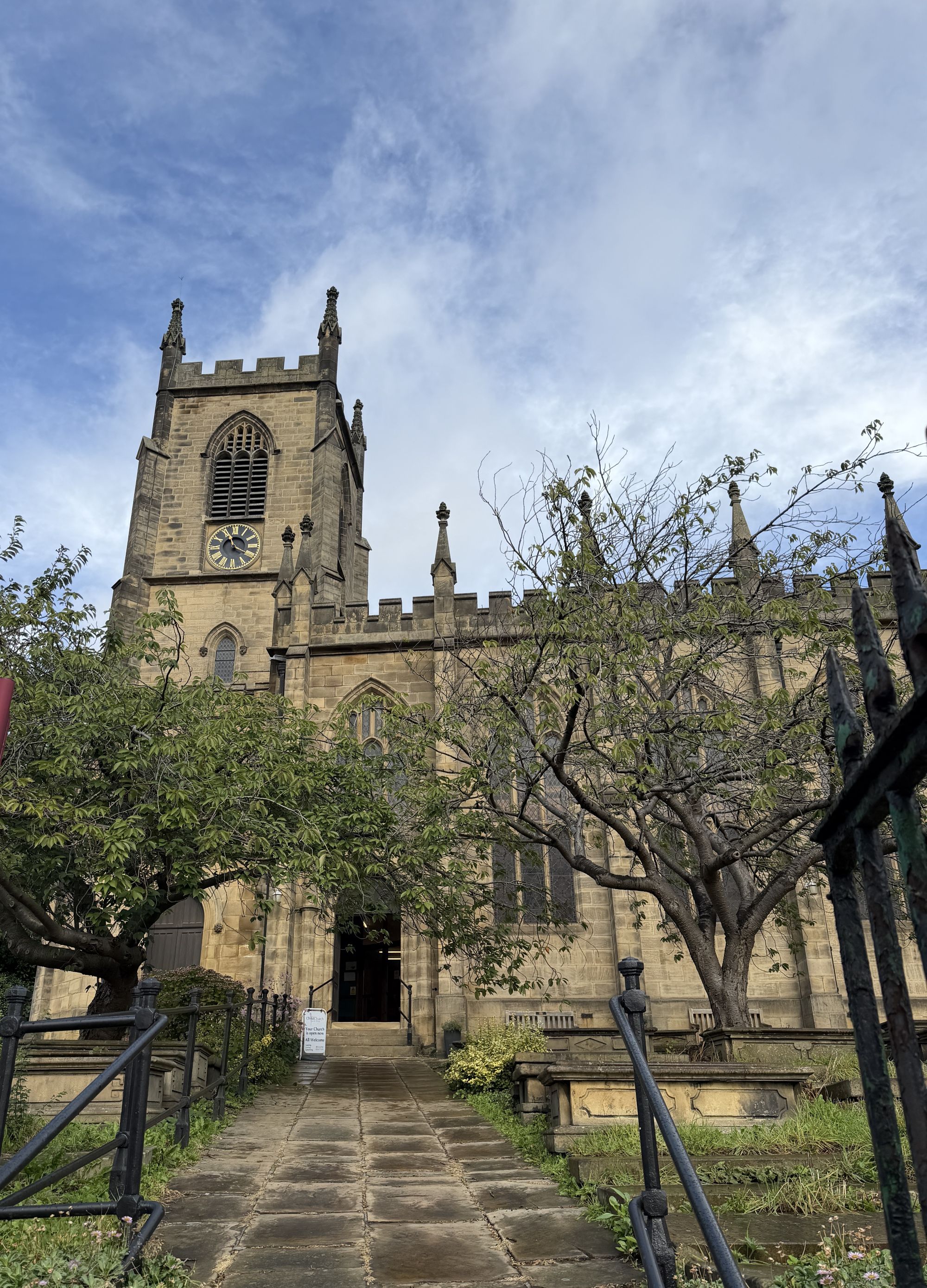
Christ Church, Sowerby Bridge, West Yorkshire7 September 2026
James Wilson Berry and Isabella Jane Stott were both baptised at Christ Church on the corner of Wharf Street and Tuel Lane in 1847. They baptised their first two children at this church as well. The 1821 nave walls, tower and shell are original. The chancel was added in 1874 and a fire damaged the chancel and nave roofs in 1894. The font is dated 1895 and was not used for their baptisms.
Click to enlarge
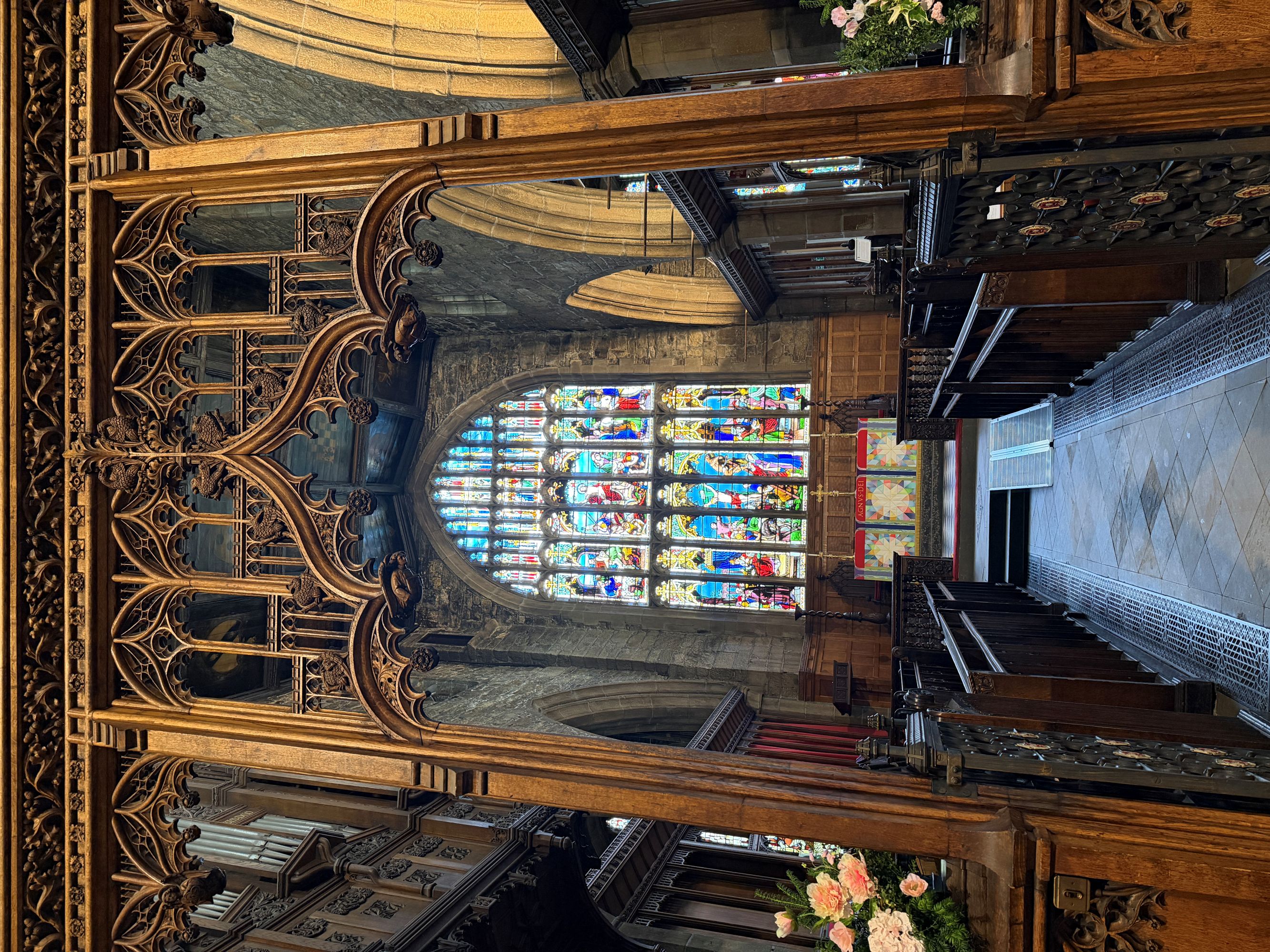
St John the Baptist (Halifax Minster), Halifax, West Yorkshire9 September 2026
Francis Berry Snr married Elizabeth Hoosen at St John the Baptist at Halifax in 1811. David Pohlman married Harriot Cockcroft in 1814. William Stott married Mary Ann Pohlman in 1840. Francis Berry Jnr married Esther Wilson here in 1844. William Stott married Sabina Bird Chapel in 1851, after Mary Ann Pohlman died. James Wilson Berry and Isabella Jane Stott were married at St John the Baptist at Halifax in 1867. The east windows were replaced in 1856 and would have been seen by James and Isabella.
Click to enlarge
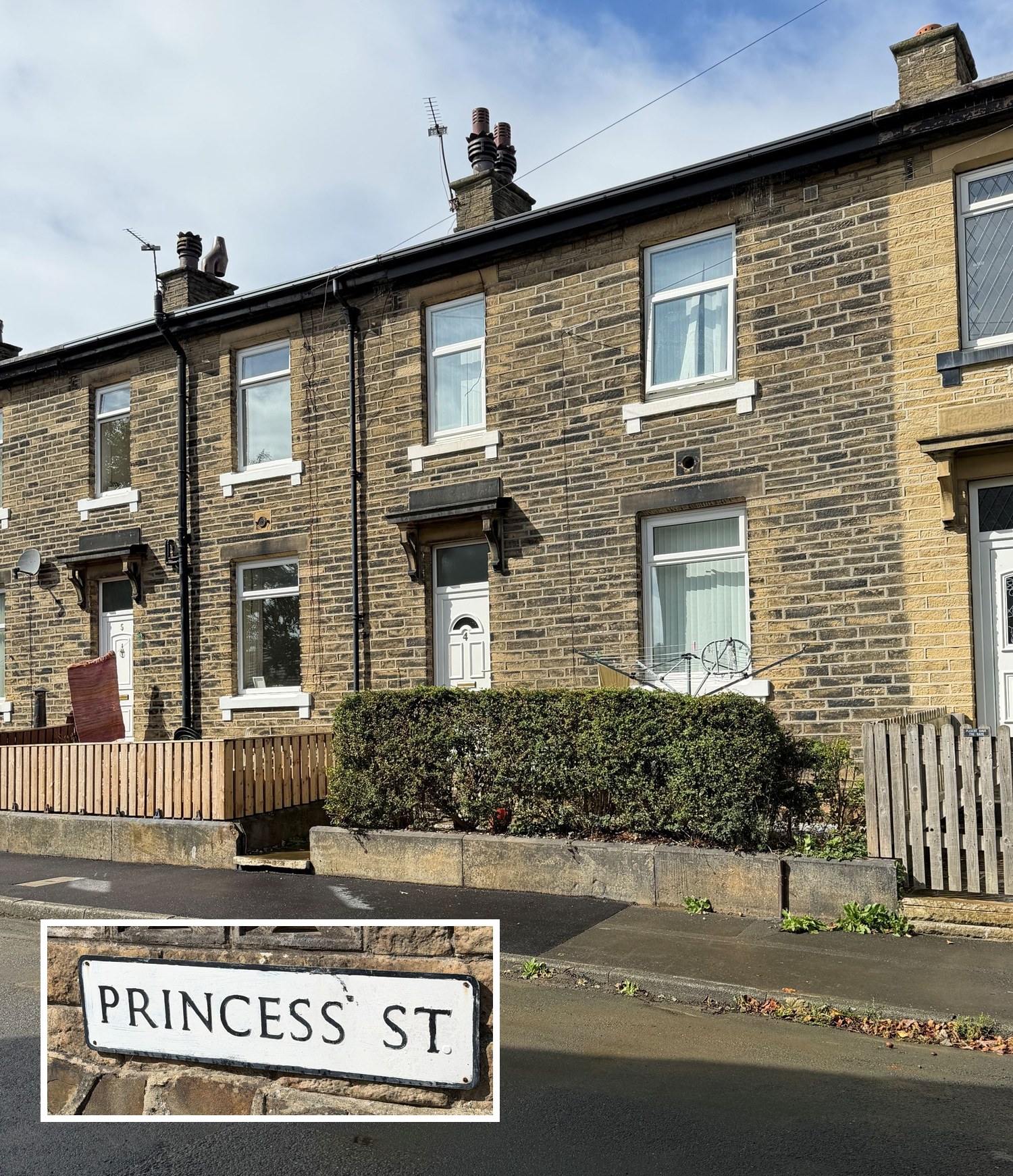
Princess Street, Sowerby Bridge, West Yorkshire9 September 2026
Prior to James Wilson Berry and Isabella Jane Stott emigrating, they were living at 4 Princess Street with Isabella’s grandmother Harriot Pohlman lodging with them.
Click to enlarge
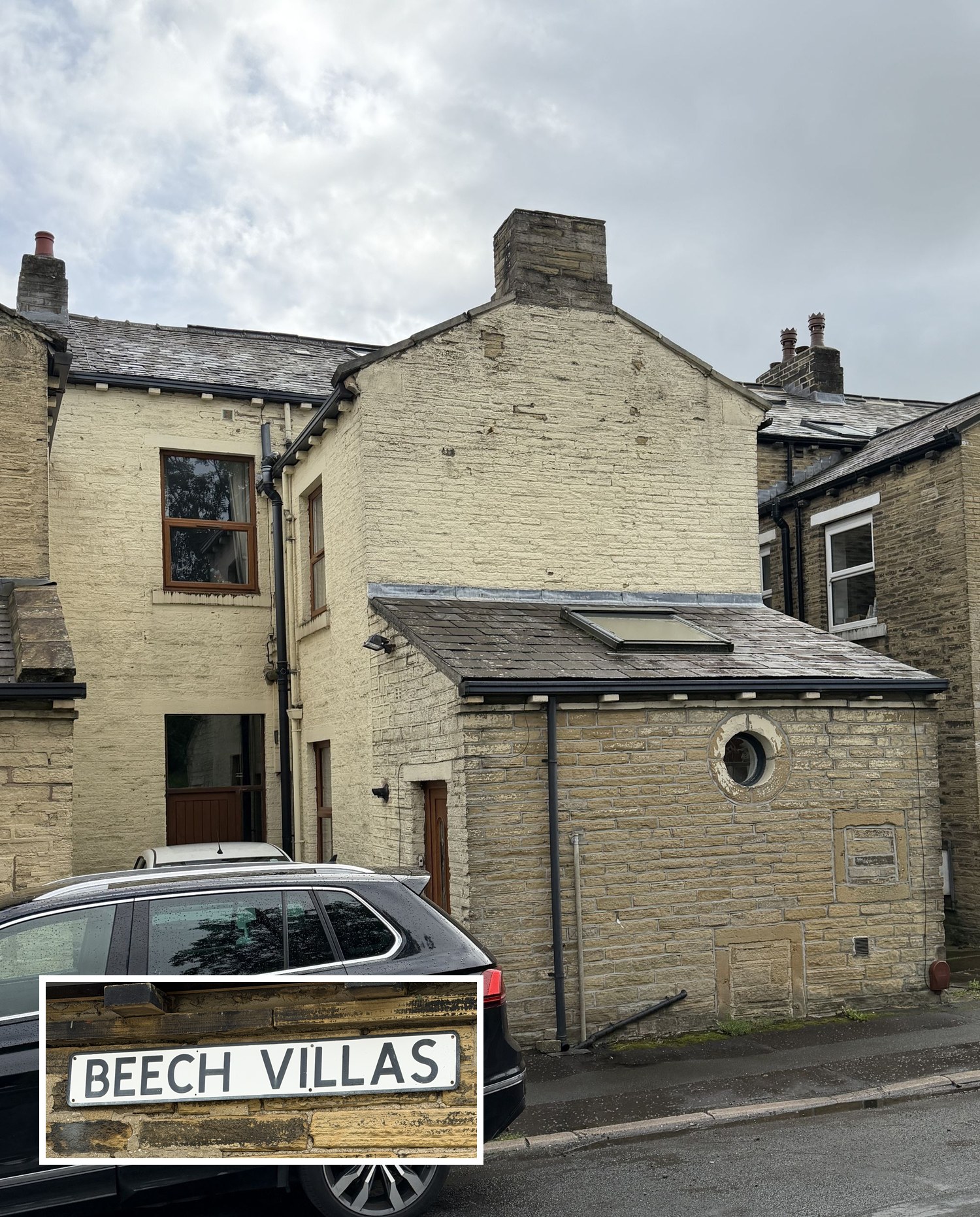
Villa Street, Sowerby Bridge, West Yorkshire9 September 2026
Francis Berry Jnr and Esther were living at 4 Beech Villas when Francis died in 1880 and Esther was still living there in 1881.
Click to enlarge
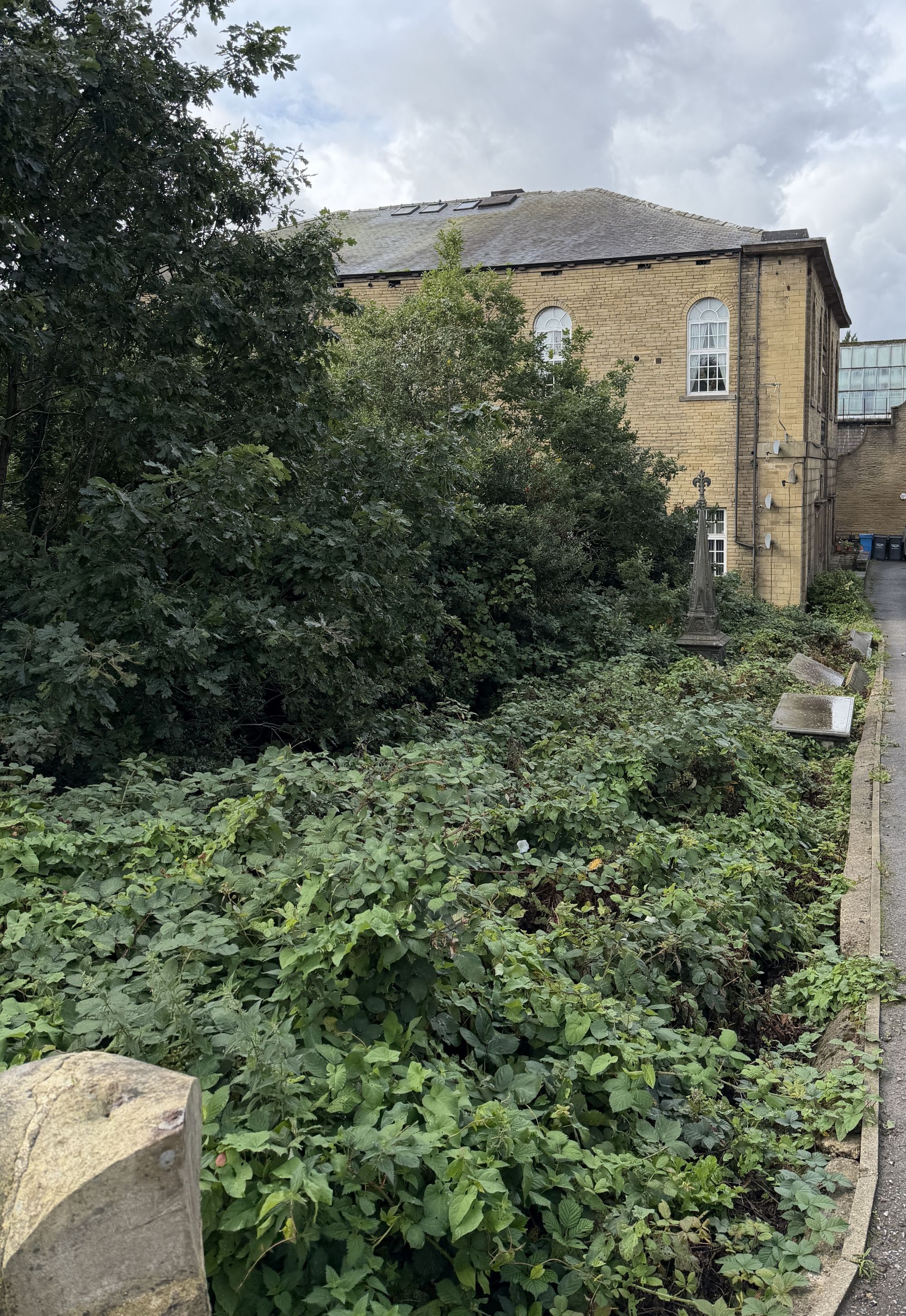
Bolton Brow, Sowerby Bridge, West Yorkshire8 September 2026
Francis Berry Jnr, Esther Wilson and their daughter Mary Berry (aged 9 years and 5 months) were buried at the cemetery that is next to what was the Bolton Brow Wesleyan Methodist Church (shown in the background). The cemetery is overgrown and only a few graves near the street are visible. It is uncertain whether the graves are still intact or have been removed.
Click to enlarge
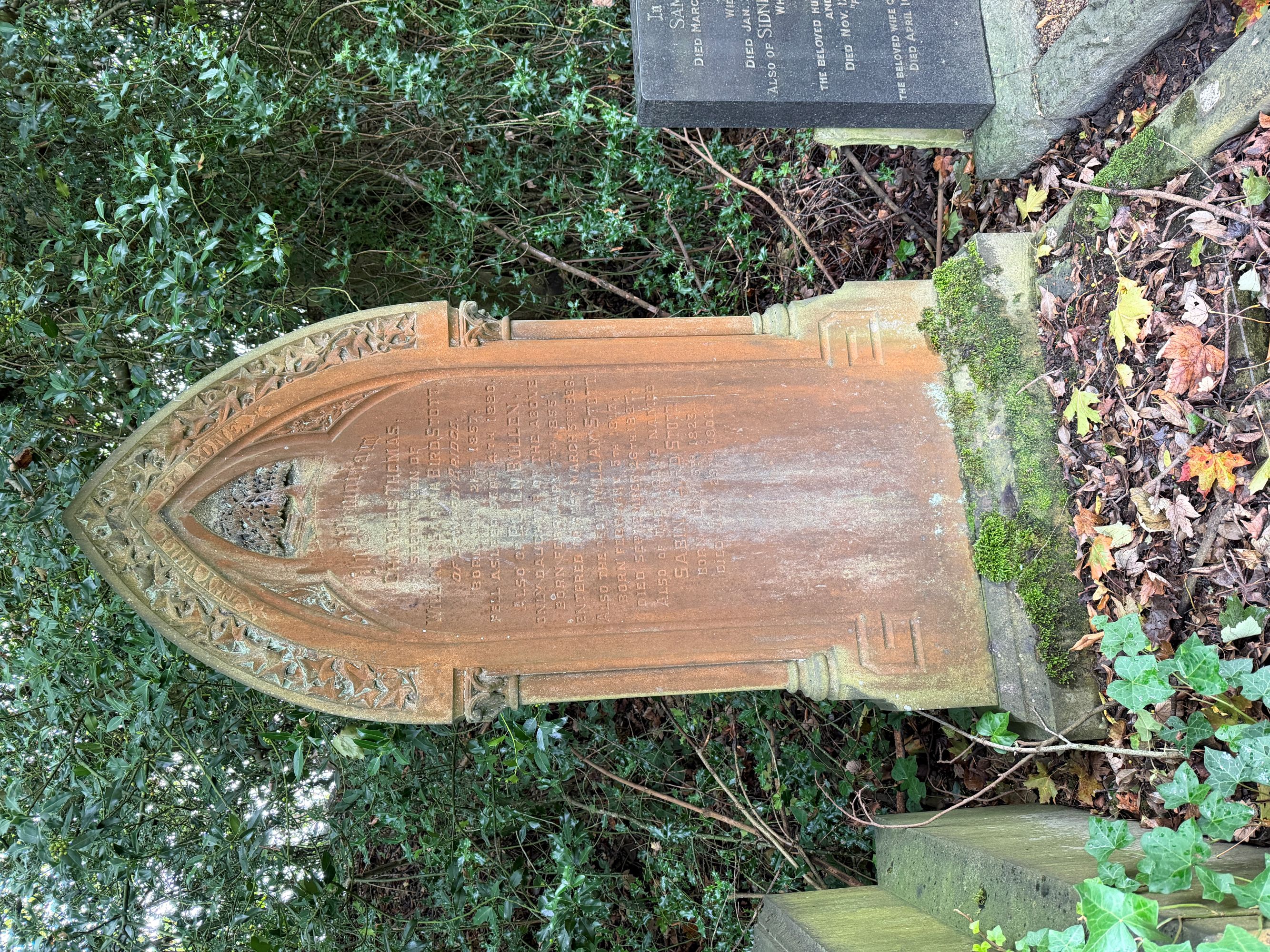
Sowerby Bridge Cemetery, Sowerby Bridge, West Yorkshire8 September 2026
William Stott is buried with his second wife Sabina Bird Chapel and their son Charles Thomas Stott and daughter Ellen Bullen Stott at the Sowerby Bridge Cemetery, Freehold Vault 672 in Section A.
Click to enlarge
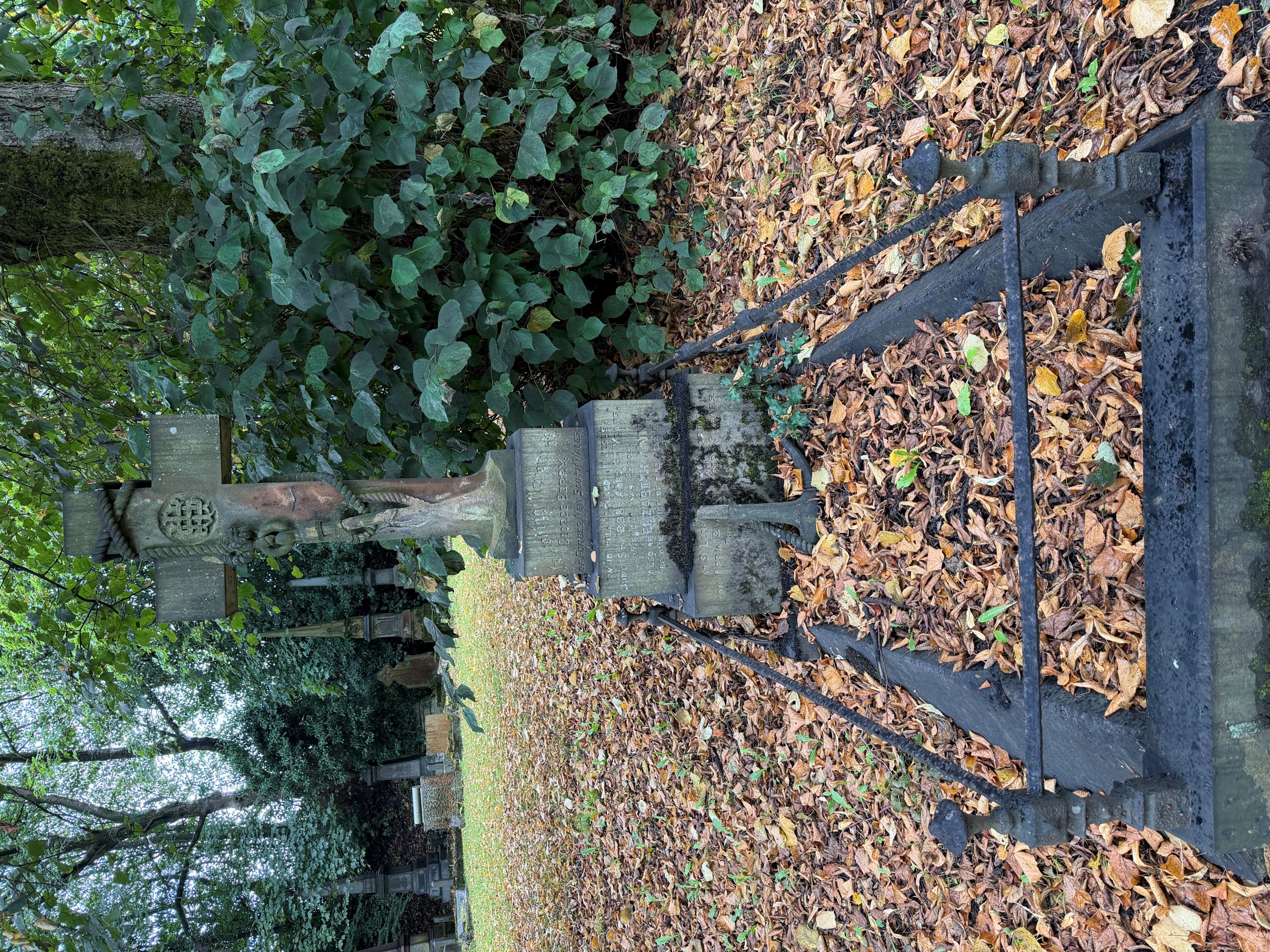
Sowerby Bridge Cemetery, Sowerby Bridge, West Yorkshire8 September 2026
George Berry was James Wilson Berry’s younger brother. George emigrated to Australia with two brothers, Walter and Arthur and their wives. George was not well and returned to Sowerby Bridge where he died in 1888 from chronic dyspepsia and exhaustion aged just 37. His grave at Sowerby Bridge Cemetery, Freehold Vault 1022 in Section A, is shared with his wife Elizabeth and acknowledges his time in Australia. It is also surrounded by a simple iron fence that was either not taken for WWII or replaced later. The caretaker at the Sowerby Bridge Cemetery who told us about the iron being reused wondered about George because of the anchor and the reference to New South Wales. He suggested there must have been money to retain the fence.
What we looked for
Not foundOther items of iron work. The caretaker at the Sowerby Bridge Cemetery told us that iron was reused for the war effort in WWII which explained the lack of iron work to be found.
Not thereThe Berry house at Walton Street is not there.
Not enteredThe back yard of the Loose Goose Inn, 1 West Street, Sowerby Bridge. This was the New Inn on the 1888 map. We didn’t try to get in as it is now accommodation.
Not relevantSowerby Bridge Railway Station was re-sited in 1876 and would not have been used by James, Isabella and their two children as part of their emigration journey.
Not foundWilliam Stott’s chemist shop and 17 Wharf Street, Sowerby Bridge. The street numbers start at 40 on Wharf Street after the Church. We could not find the address.
Not foundWillow Cottage at Willow Hall Lane, Skircoat, at the northern end of Bolton Brow where it becomes Rochdale Road. The street was found but not the cottage.
Not foundStoney Royd Cemetery - the Pohlman burials. The plaque at the cemetery reads “Remains of 1587 people interred in the burial ground of St James Church Halifax were interred in this vault”. No individual memorial stones survive.
Not foundThe ledger stone by the church wall of St John’s Church, Coley that says “Daniel John David Pohlman of Northowram a native of Hamburg in Germany who departed this life the 6th of February 1836 in the 80th year of his age. Also of Mary wife of David Pohlman who Departed this life March 21st 1837 Aged 71 years”. Daniel John David Pohlman is believed to be the father of David Pohlman. We had the transcription and where it is located, but we couldn’t find it.
Not foundProspect Place - the 1861 census entry for Francis Berry Jnr - could not identify the location from the 1888 map.
Seen, not photographedSowerby Bridge Town Hall - Francis Berry Jnr served on the Local Board of Health and later on the School Board. We looked for an address and it looked like it had been knocked down to make open space. We were wrong. We had seen it but didn’t photograph it.
NoteWalton Street, Sowerby Bridge. The face of a person sitting outside the Pulman Steel building and the number plate of a lorry have been lightly blurred by Claude (AI) to respect their privacy.
 Click to enlarge
 Click to enlarge
 Click to enlarge
 Click to enlarge
 Click to enlarge
 Click to enlarge
 Click to enlarge
 Click to enlarge
 Click to enlarge
 Click to enlarge
 Click to enlarge
 Click to enlarge