John Cox was the only son of Thomas Cox and Charlotte Clarke, a labouring family. Charlotte was born in Paxford, where the Clarkes appear to have lived for at least two generations, and was baptised at Blockley, the church where the television show “Father Brown” is filmed.
John and his sister Elizabeth were baptised at St James Church, Chipping Campden. In 1829 the family were issued a removal order and sent to Fulbrook, Oxfordshire, where their father, Thomas Cox, was born. By 1841 the children were scattered: Annie working for a London tobacconist, Elizabeth with her grandparents at Fulbrook, and John, family history suggests, in Wiltshire. John married Elizabeth Lloyd in 1849 and sailed from London on the Susannah seventeen days later.
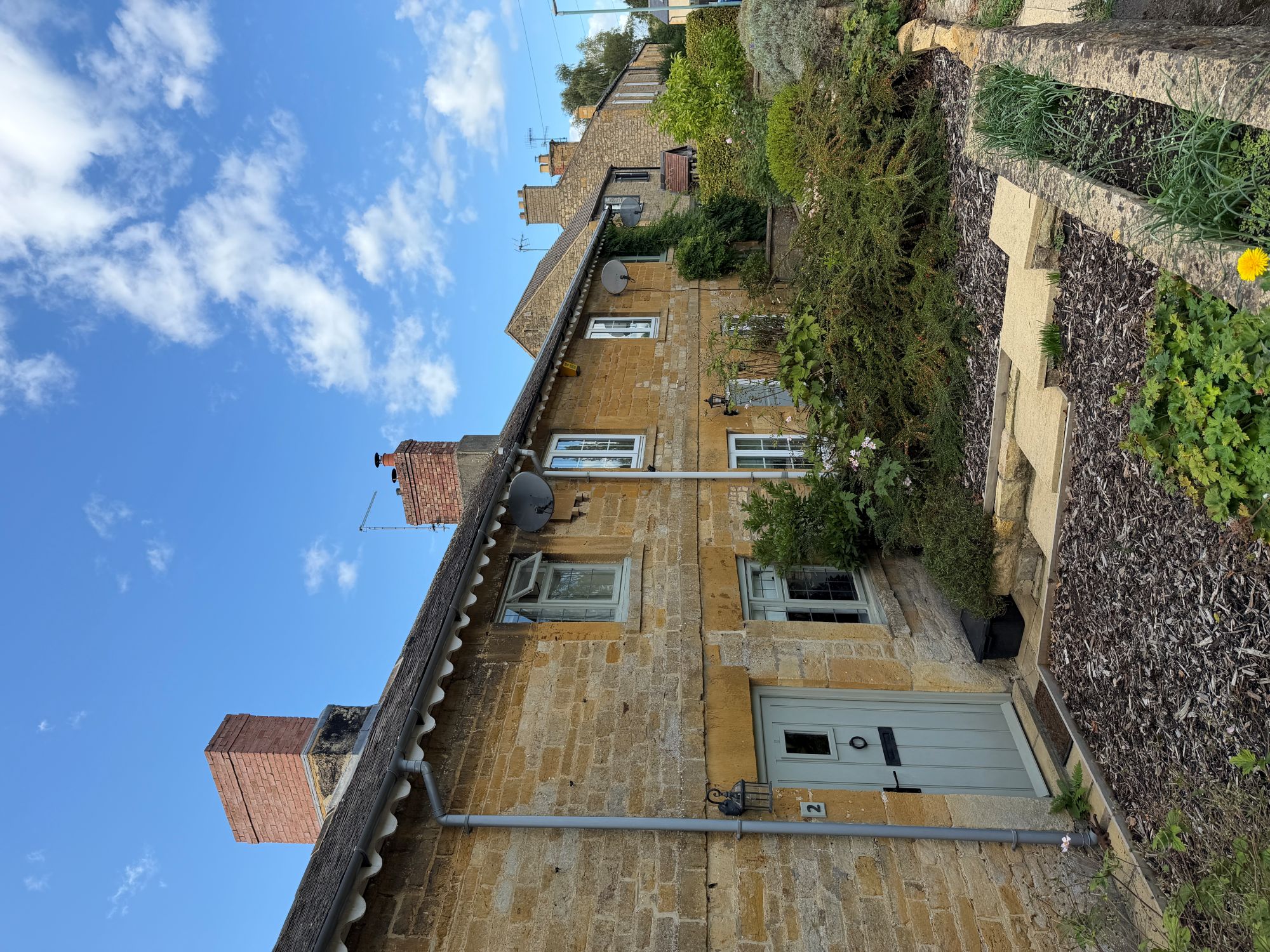
Near Pye Mill Lane, Station Road, Paxford, Gloucestershire15 September 2026
Charlotte Clarke was born in Paxford and lived there with her family. Paxford is a tiny village and had no church at the time.
Click to enlarge
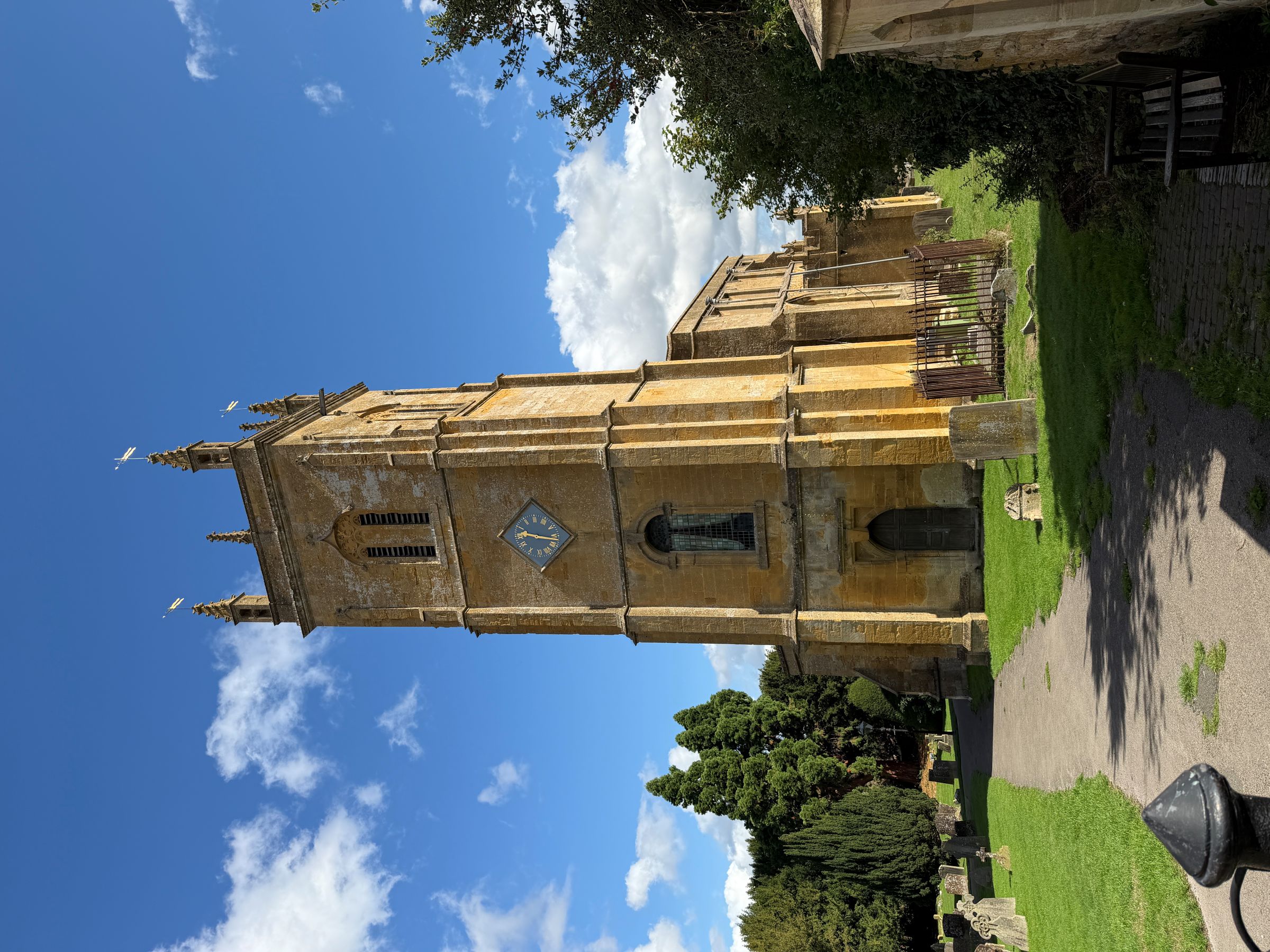
St Peter and St Paul Church, Blockley, Gloucestershire15 September 2026
As Paxford had no church, all the life events of the Clarke family occurred at St Peter and St Paul Church at Blockley.
This is the church that the BBC television show “Father Brown” is filmed at.
Click to enlarge
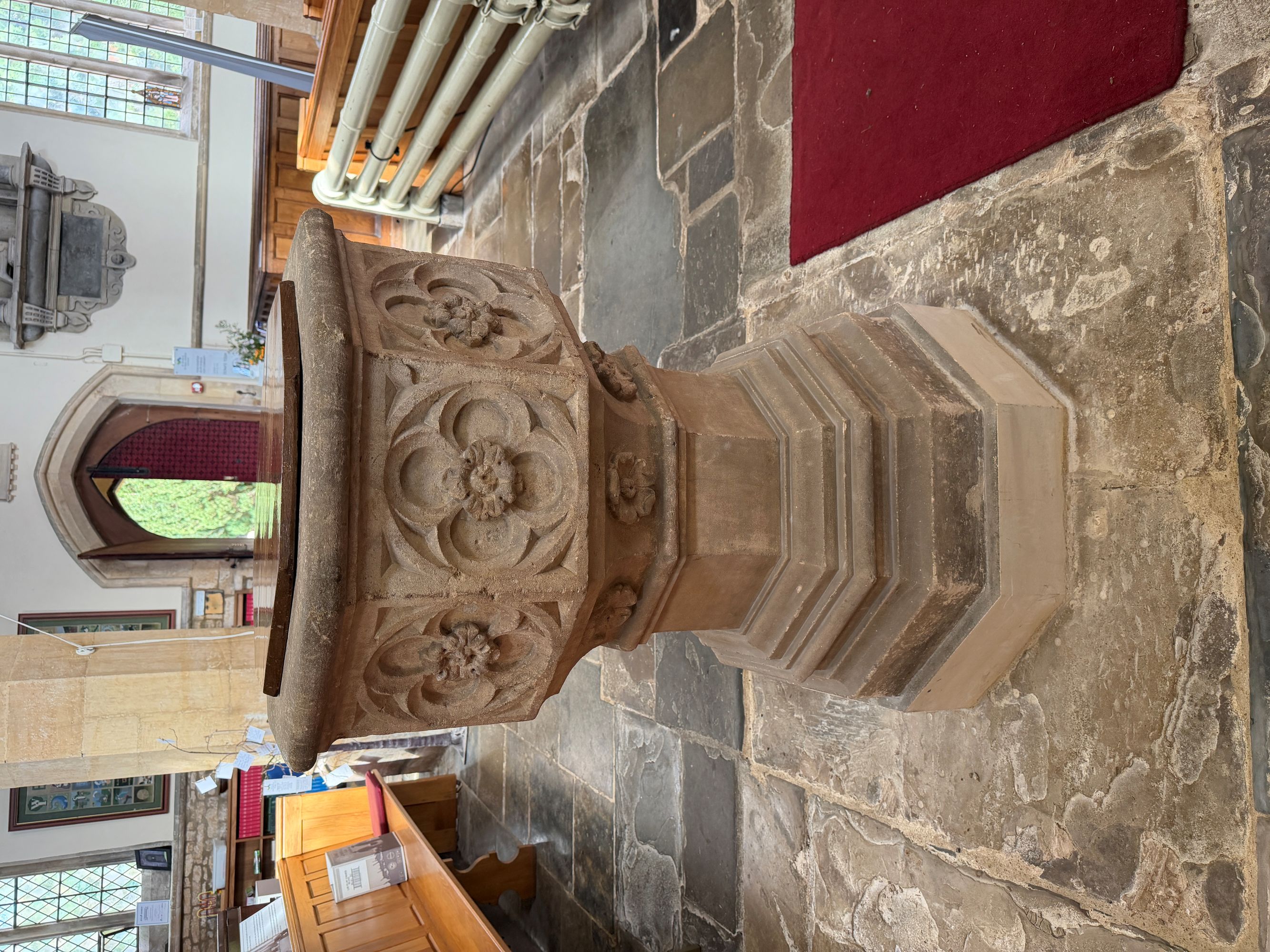
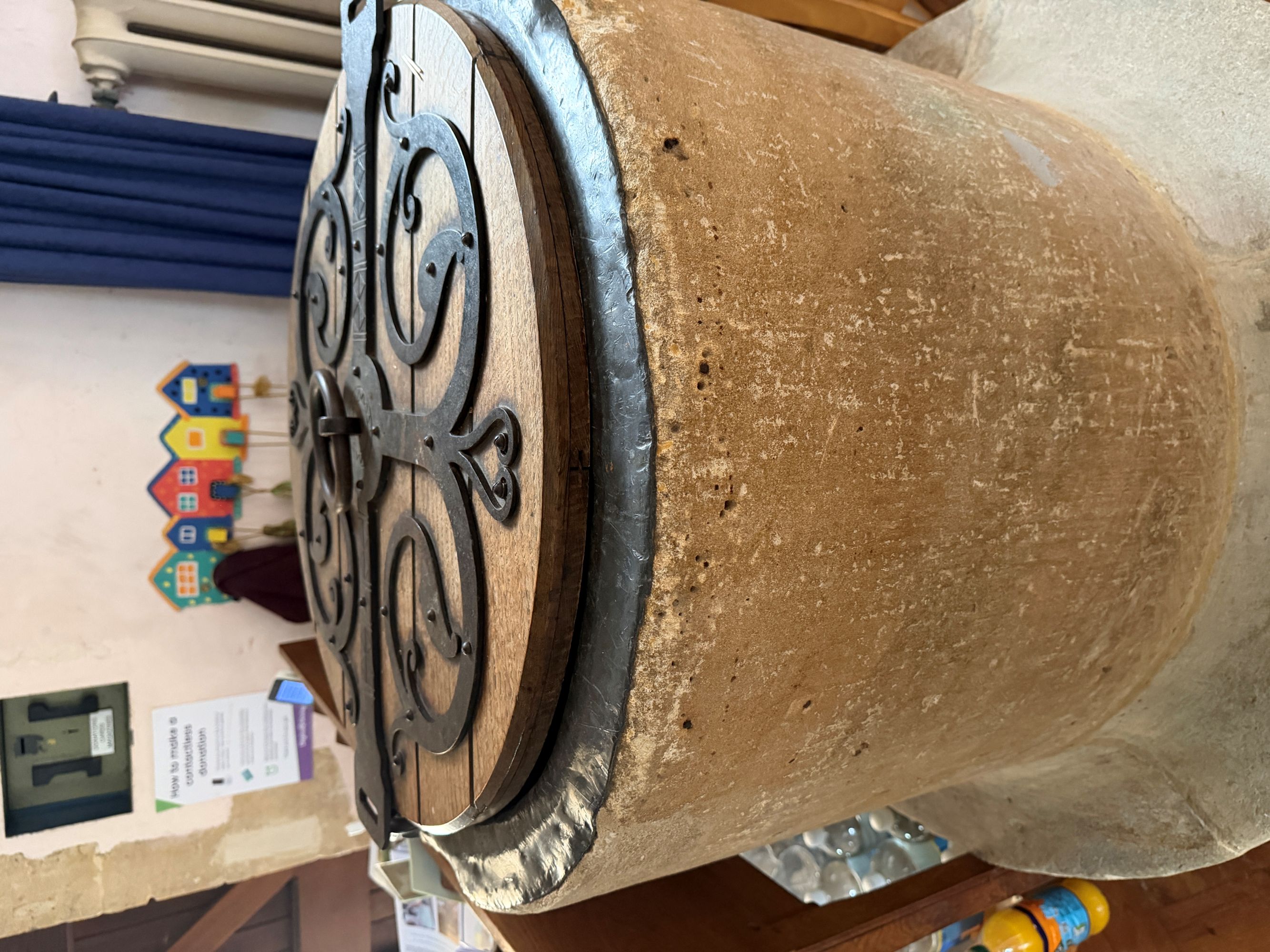
St Peter and St Paul Church, Blockley, Gloucestershire15 September 2026
Charlotte (1801) and her five siblings were all baptised at St Peter and St Paul, Blockley.
Mary Ann (Annie) Cox, the daughter of Charlotte Clarke and Thomas Cox, was baptised here in 1824. The font dates from about 1390.
Click to enlarge
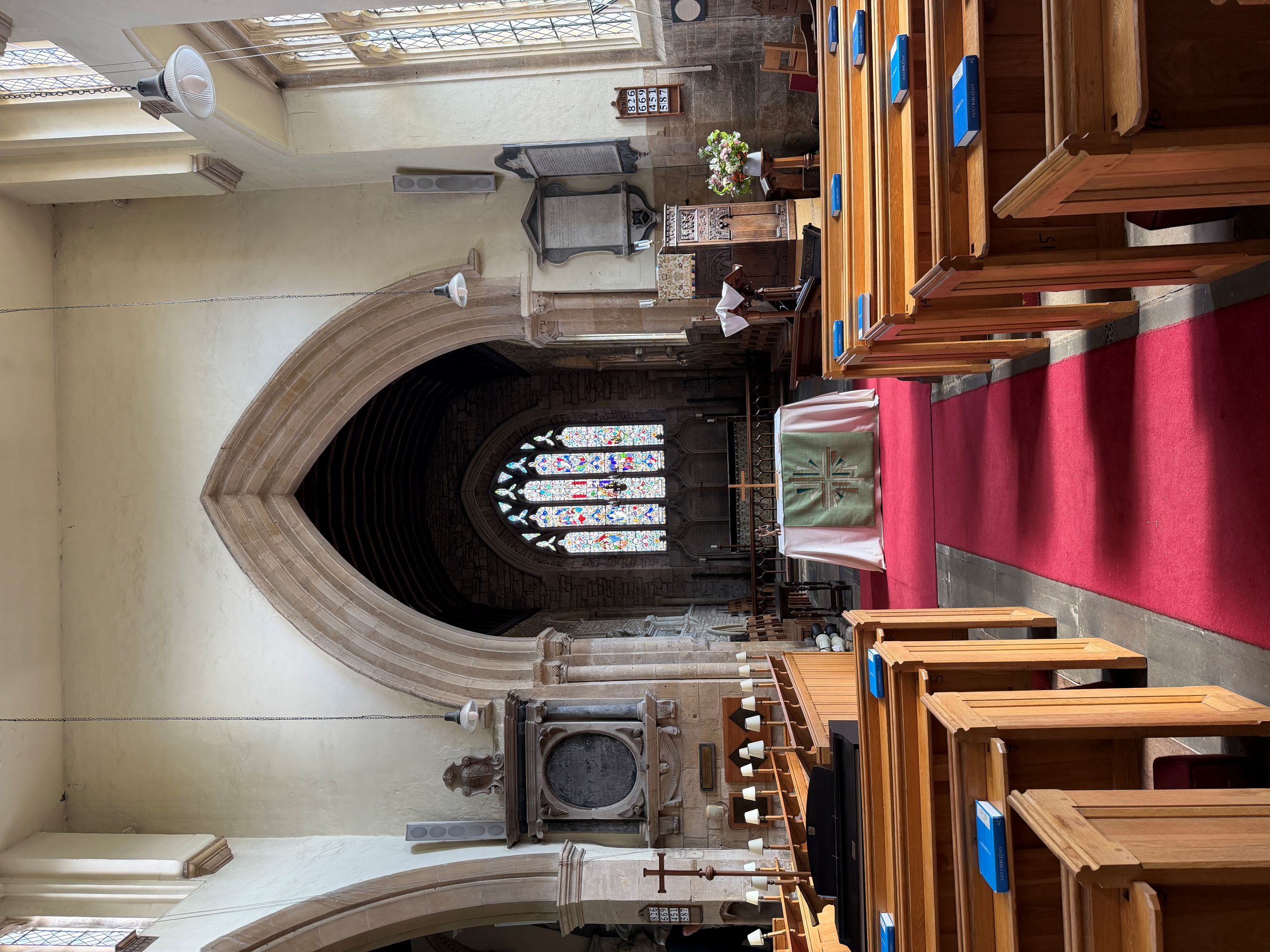
St Peter and St Paul Church, Blockley, Gloucestershire15 September 2026
John Clark, Charlotte’s father, married Hannah at St Peter and St Paul Church in 1797. Charlotte’s sisters Harriet and Hannah married here in 1838 and 1821. Charlotte’s parents John (1838) and Hannah (1830) are buried here as well as her sisters Harriet (Hancock, 1875) and Hannah (Bennet, 1856).
The chancel arch under which marriages took place dates to the 14th century. The stained glass windows in the chancel were replaced in the 1860s and 1870s.
Click to enlarge
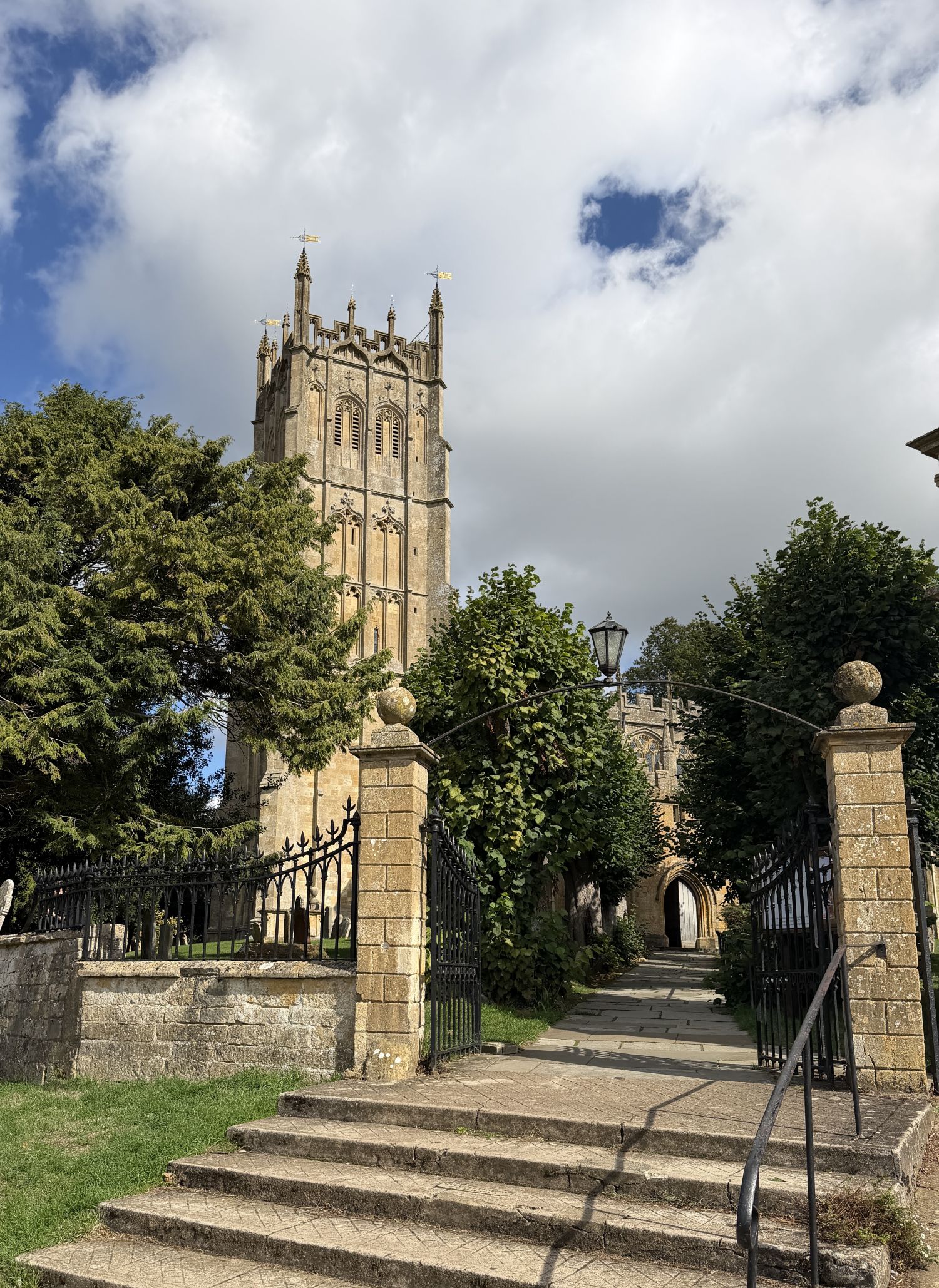
St James Church, Chipping Campden, Gloucestershire15 September 2026
Charlotte Clarke and Thomas Cox were married at St James Church, Chipping Campden in 1824. Charlotte was listed as being of the parish of Blockley and the witnesses were her siblings, William Clarke and Hannah Bennet (née Clarke). Their marriage banns were published in 1823 at Chipping Campden.
The avenue of twelve lime trees leading to the South Porch was planted in 1770.
Click to enlarge
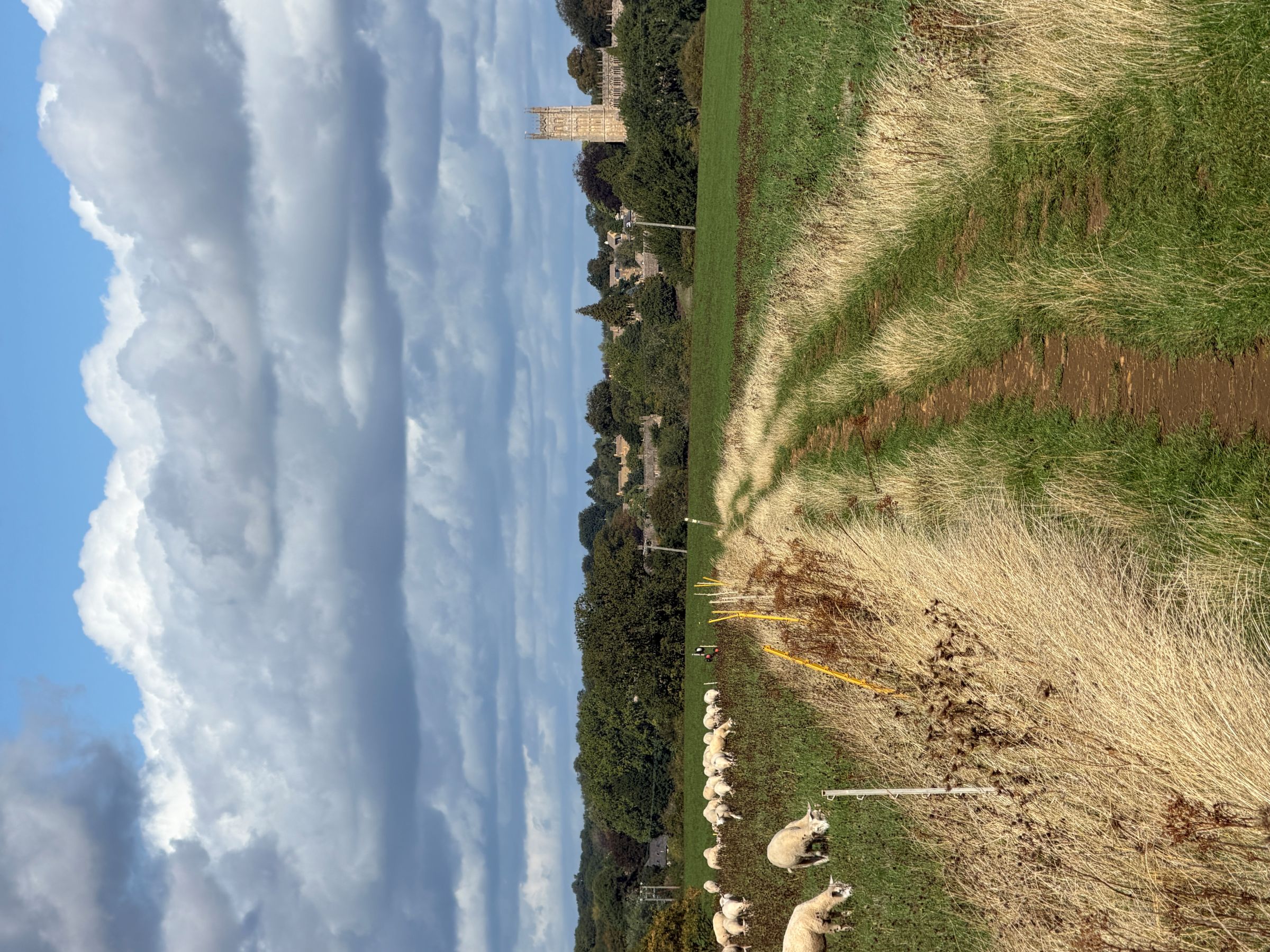
The walk from Broad Campden to Chipping Campden, Gloucestershire15 September 2026
Charlotte Clarke and Thomas Cox went back to Blockley to baptise Mary Ann (Annie) in 1824. The register says they were living at Paxford at the time. The family moved to Broad Campden where they were recorded as living for John’s (1826) and Elizabeth’s (1829) baptisms.
The family would have walked from Broad Campden to Chipping Campden to attend church. St James Church tower is easily seen from Broad Campden as shown in the photo during a walk between the villages.
The font at St James Church was installed in 1839 and is a copy of the 15th century font in St Mary Magdalene in Oxford. Neither John nor Elizabeth was baptised at the font.
Click to enlarge
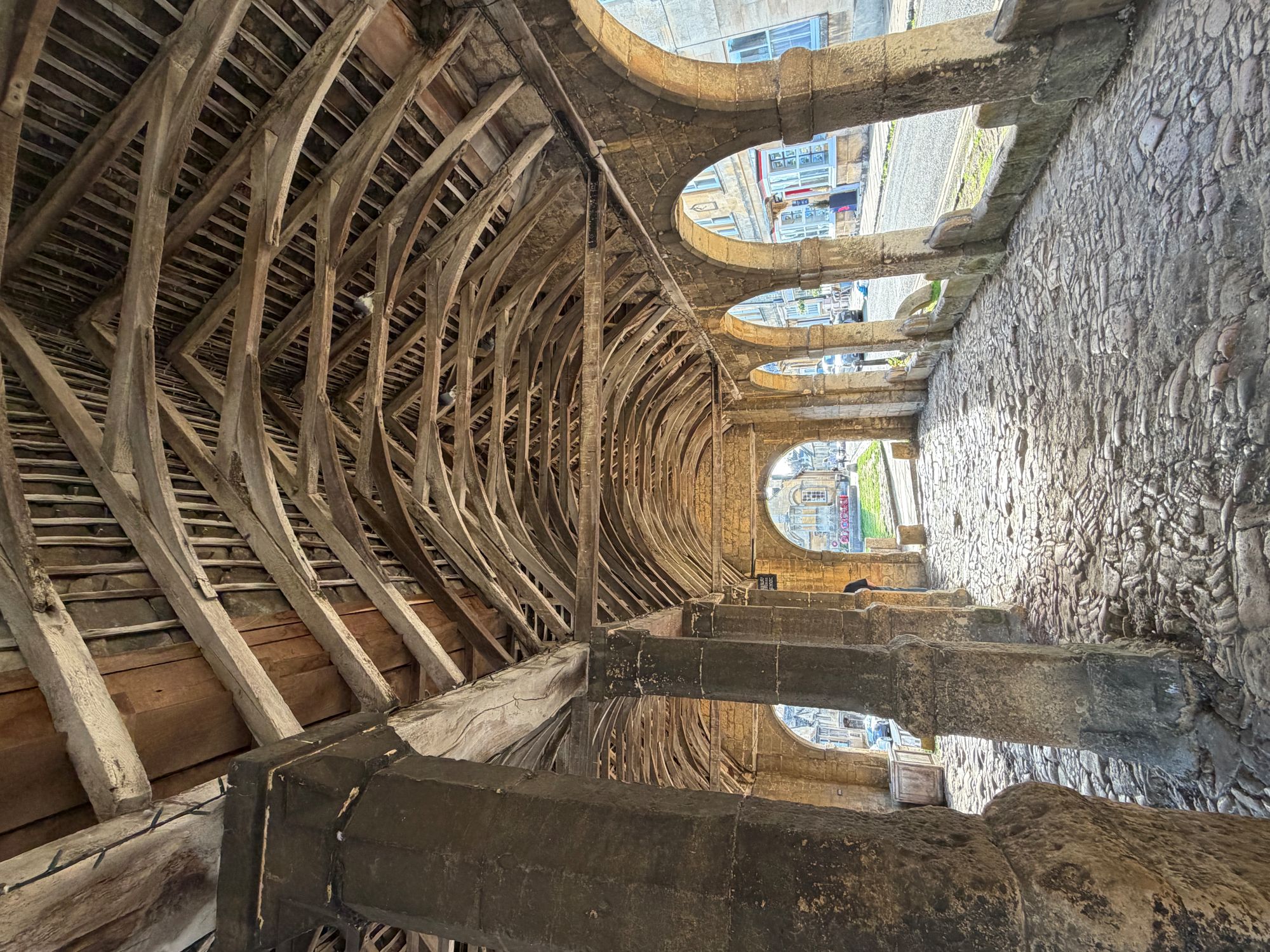
Chipping Campden, Gloucestershire14 September 2026
Charlotte and Thomas would have been attendees at the markets at Chipping Campden. The market built in 1627 still stands although it has a new roof.
A Removal Order was issued on 21 December 1829 to “Thomas Cox, wife Charlotte and 3 children Ann 5, John 3 and Elizabeth 3 months” to leave Chipping Campden and move to Fulbrook, Oxfordshire.
It is a 32km walk between Chipping Campden and Fulbrook.
Click to enlarge
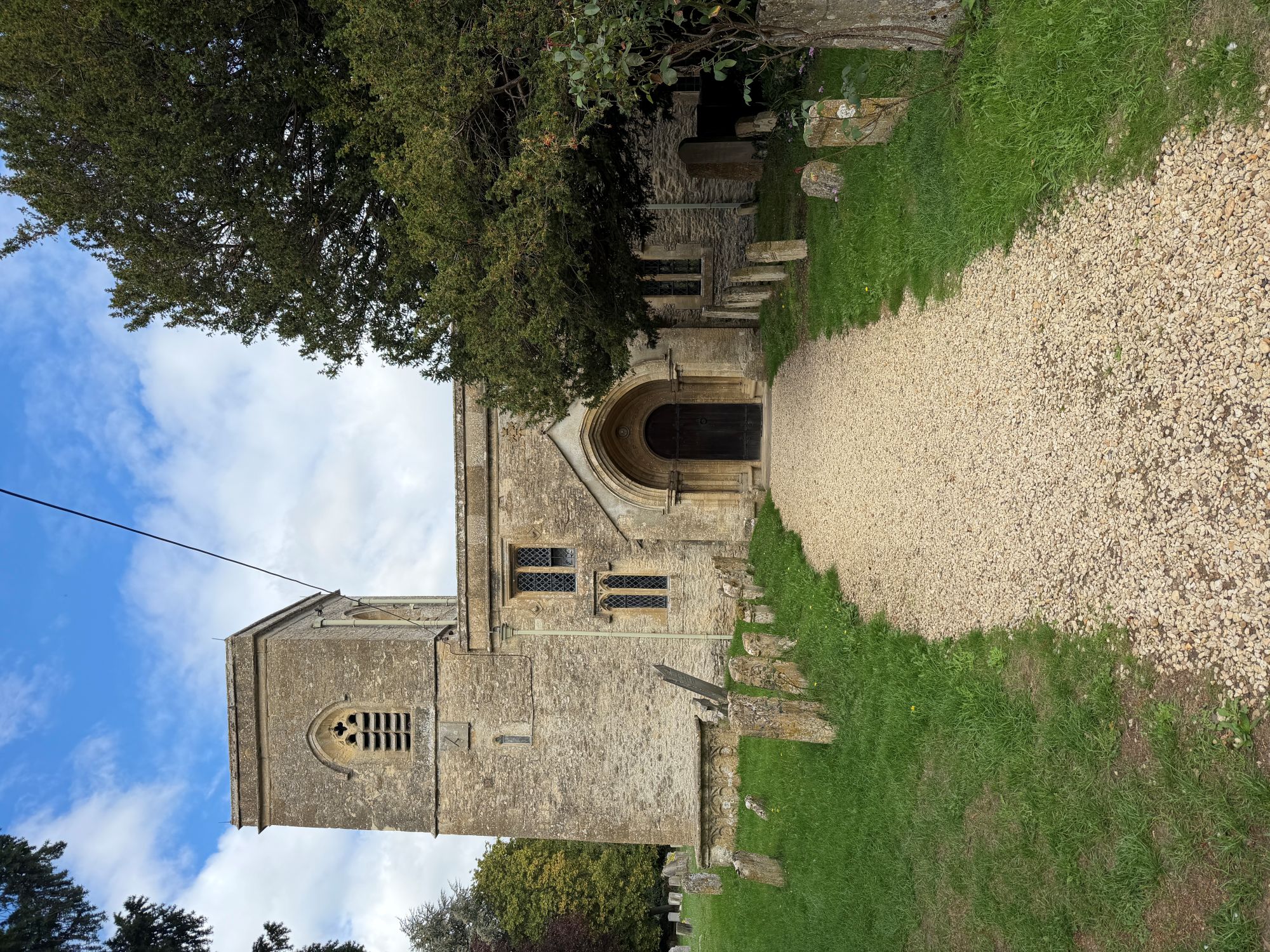
St James the Great, Fulbrook, Oxfordshire16 September 2026
John Cox’s ancestors have no ties to land found so far. Thomas was baptised in 1802 at St James the Great, Fulbrook, as were his six siblings.
The font is thought to date to the 12th century and is made from Purbeck limestone from Dorset.
Click to enlarge
St James the Great, Fulbrook, Oxfordshire16 September 2026
Thomas and Charlotte returned to Fulbrook with their children. In 1841 Elizabeth was still at Fulbrook with her grandparents, John and Susannah. Annie knew the location. On the 1851 census she said that she was born in Burford, the market town just over the Windrush River from Fulbrook.
St James the Great at Fulbrook would have been Elizabeth’s church for many years. The English yew tree is believed to be over 1000 years old and the family would have walked past it every time they went to church.
Click to enlarge
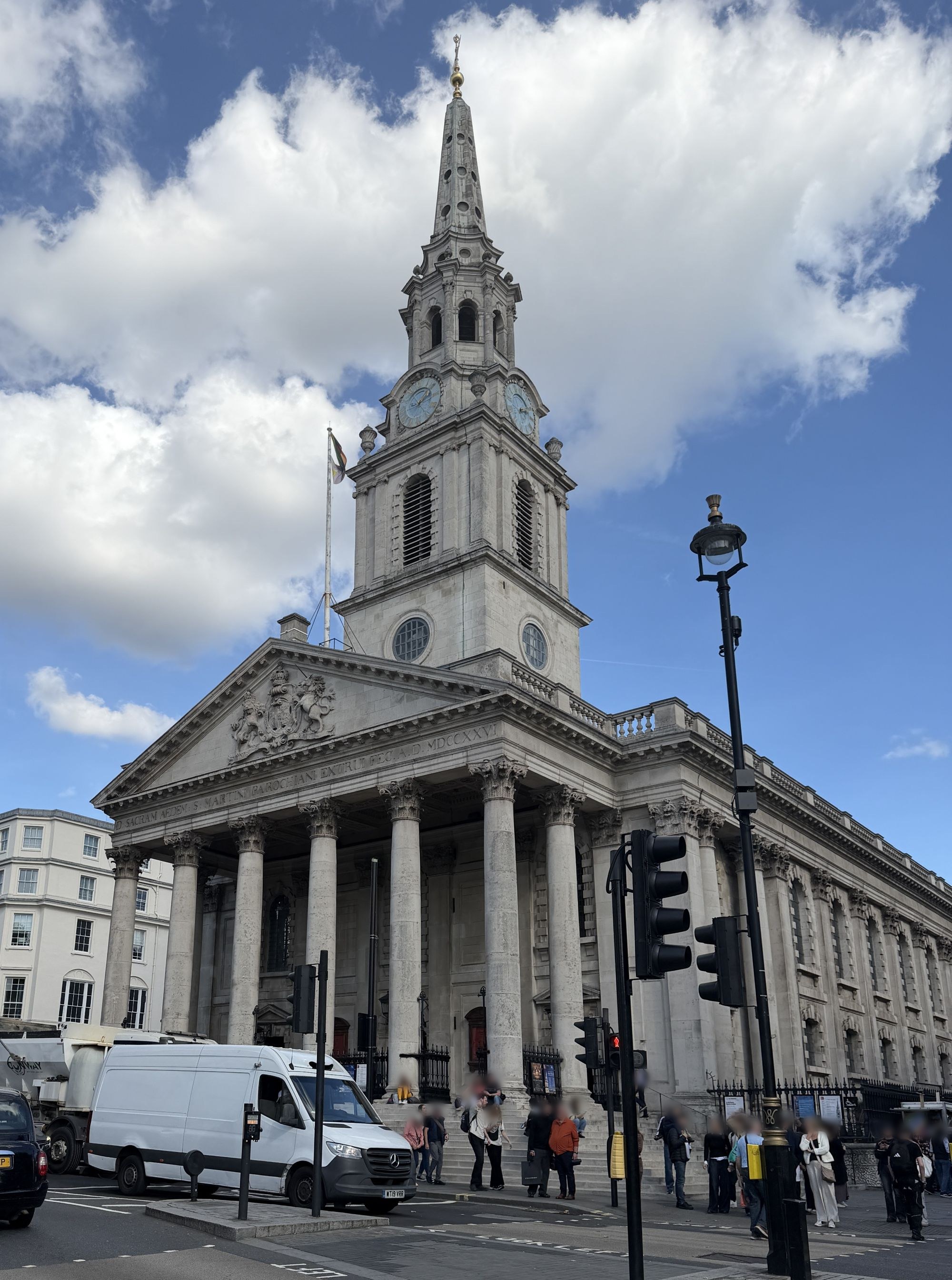
St Martin-in-the-Fields Church, London2 October 2026
Elizabeth Cox married Richard Kean, a glass engraver, at St Martin-in-the-Fields in 1846, with “J Cox” as a witness.
By 1841 Annie had taken employment with Robert Lloyd Evans, a tobacconist. Family history suggests that he was known to the family. The same family history suggests that John Cox had taken up a servant’s role or apprenticeship in Wiltshire. His 1841 census record has not been found. Neither Thomas Cox nor Charlotte Cox, the parents of Annie, Elizabeth and John, has been found and both are assumed to have died, which is why they left Elizabeth with her grandparents at Fulbrook.
Susannah Cox died from a fever in 1842 and John, her husband, died from a fever less than a year later. This would have left Elizabeth Cox, aged 13, in Fulbrook with aunts and uncles.
The marriage is the next time we see the siblings together.
Click to enlarge
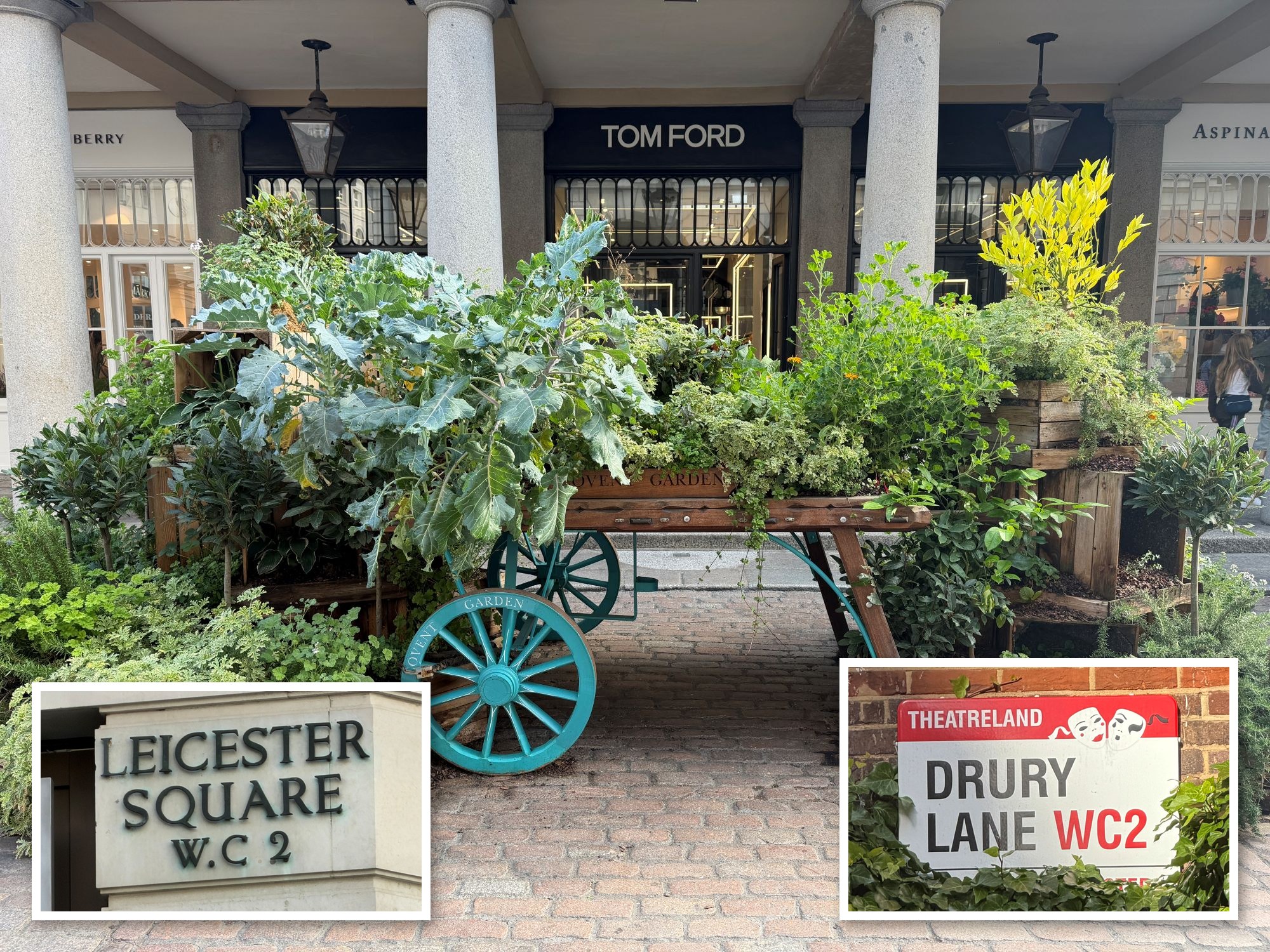
Covent Garden, London2 October 2026
Elizabeth states that she resided at Drury Lane on her marriage record. Covent Garden was a structure she would have seen. Annie left a bequest to Elizabeth in her will. Elizabeth was known to Annie to be living on Leicester Square. Annie was still working for Robert Lloyd Evans, now retired in Wales. She still knew where to find her sister.
Saved for Annie Cox at Llangollen, Wales
What we looked for
Not foundGraves were looked for at both Fulbrook and Blockley with no relevant headstones found. Either headstones could not be afforded or the headstones have degraded so much that they can no longer be read. This seems to be common in a lot of areas of England. Photos of both churches show headstones and the space between them.
Seen, not photographedA photograph of Paxford sitting on a hill while approached from the south was not taken. The road was narrow and winding and hedging prevented a good view from being seen.
Seen, not photographedThe Paxford houses that were photographed were on the main road and not within the northern end of the hamlet. The houses in the northern end seemed substantial and not what agricultural labourers would be living in.
Not thereSt John the Baptist Church at Eltham, where John Cox married Elizabeth Lloyd 2 January 1849. The church was demolished and rebuilt but it is not the building that they were married in.
Not foundLondon Docks. John Cox and Elizabeth Lloyd shipped from London 19 January 1849 on the Susannah. A record or newspaper article for which dock the Susannah left from has not been found. St Katharine Docks would be “a” London dock.
NoteThe photograph of St Martin-in-the-Fields has had people’s faces lightly blurred by Claude (AI) to remove identification. Photo choices for London locations were driven by respecting people’s privacy, hence street signs and a garden cart at Covent Garden.
 Click to enlarge
 Click to enlarge
 Click to enlarge
 Click to enlarge
 Click to enlarge
 Click to enlarge
 Click to enlarge
 Click to enlarge
 Click to enlarge
 Click to enlarge
 Click to enlarge